News
A group of iHavos engineers has completed a robotics training programme at Estun's academy in Nanjing. The training focused on the robot platforms used in the ACL automated leafy-green line, from basic operation to fault diagnosis.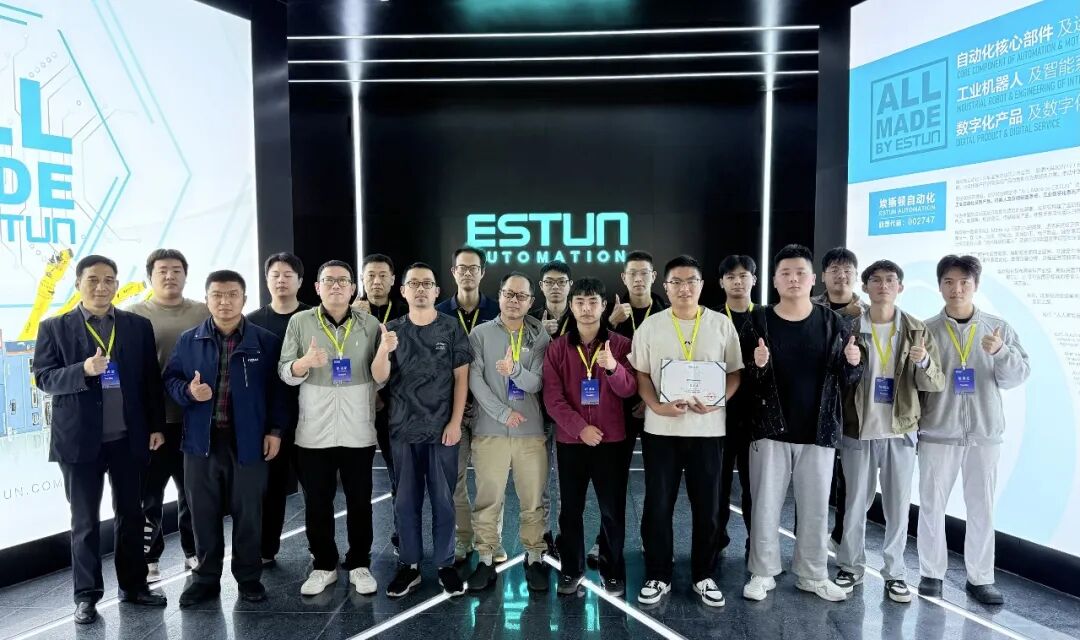
The ACL line depends on robots for transplanting, handling and harvesting. A standard module can be shipped and installed quickly, but the line only performs when the local team can teach positions, adjust motion paths and recover from faults without waiting for an overseas specialist. Training is therefore part of the delivery scope, not an after-sales extra.
The exercises were run on the same controller family used in the ACL modules. That matters because a robot cell is a system: the arm, gripper, vision, conveyor and PLC have to be commissioned together. Training on isolated points is not enough; the team practised the handover between stations.
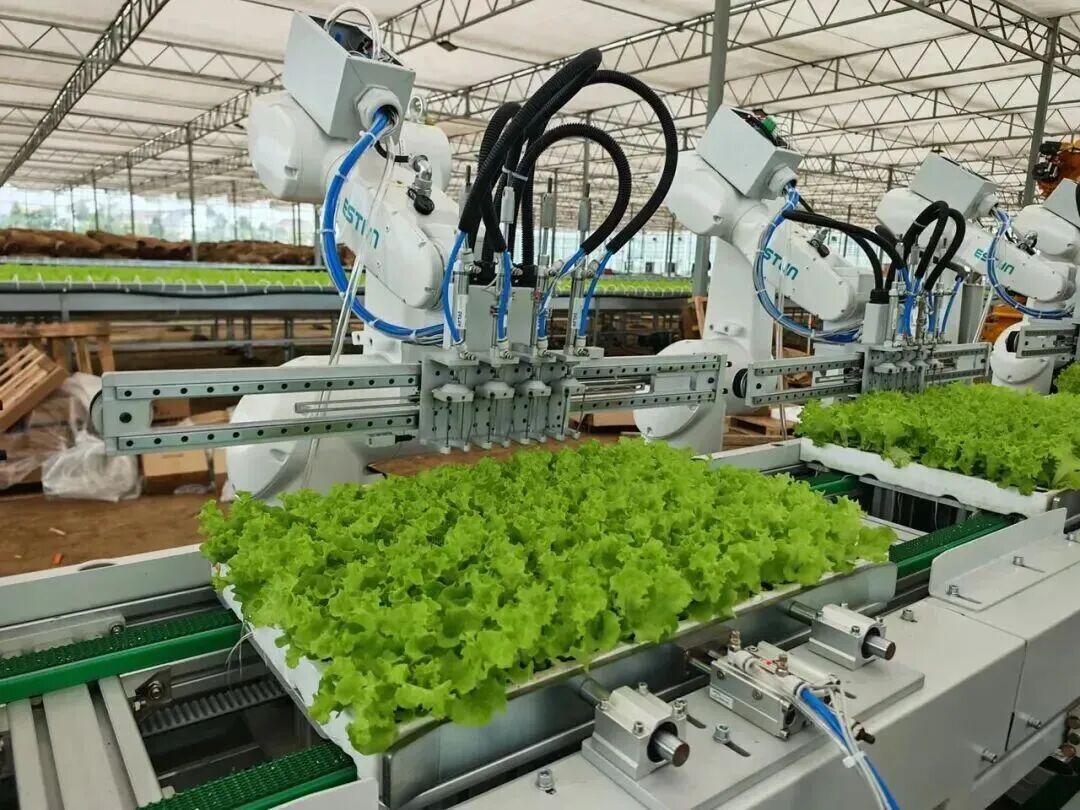
The engineers will now transfer the programme to the project team: operator-level training for daily runs, maintenance routines for the grippers and conveyors, and a spare-parts list matched to the installed configuration. Remote support will cover software updates and unusual faults.
The goal is a line that the local team can run, maintain and improve — not a black box that depends on the supplier for every change.
The next phase will combine classroom refreshers with on-site commissioning at Qassim, where the first ACL modules are being installed. By the time the line starts production, the operating team will already have handled the teach pendant, the calibration routine and the most common alarm states.
