
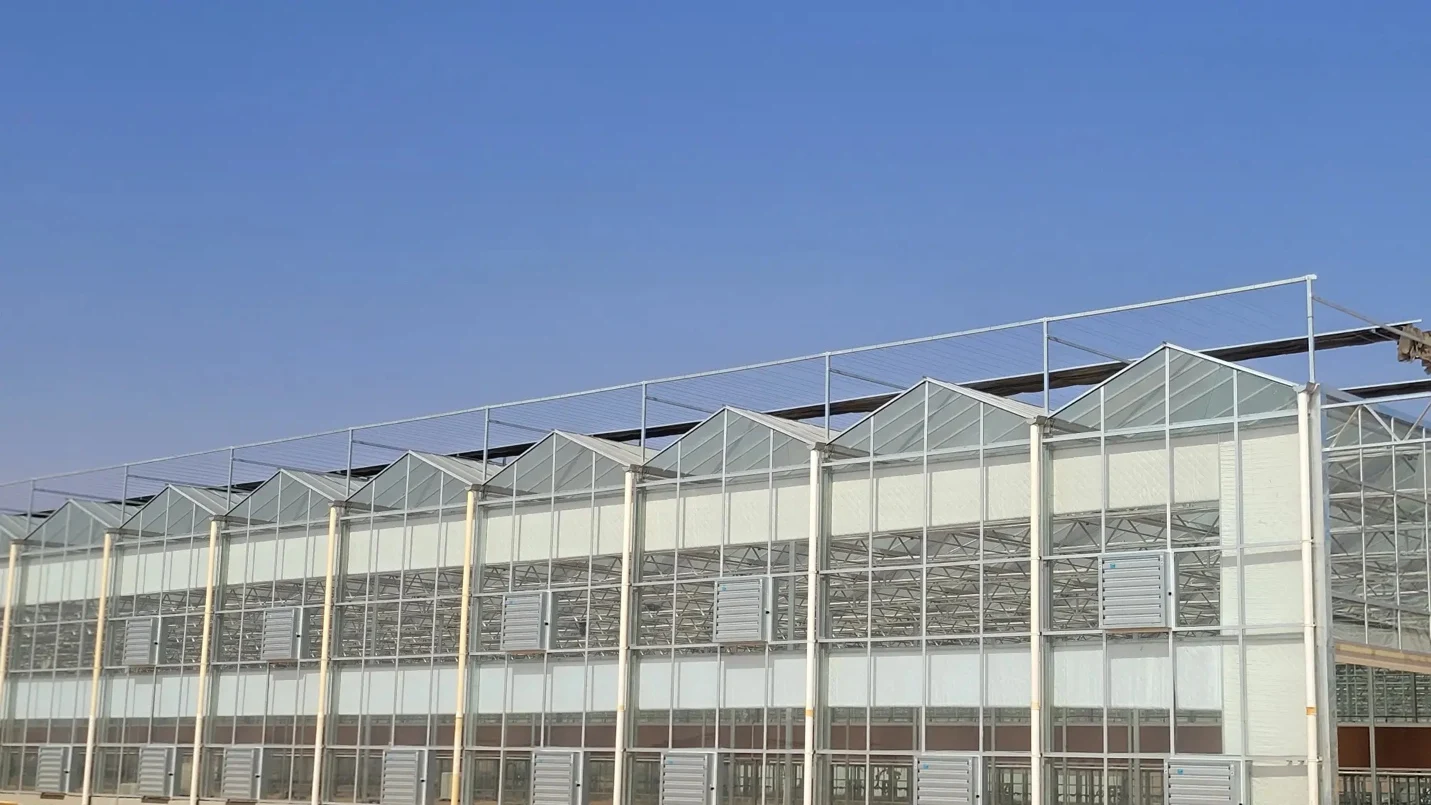
Commercial Greenhouses
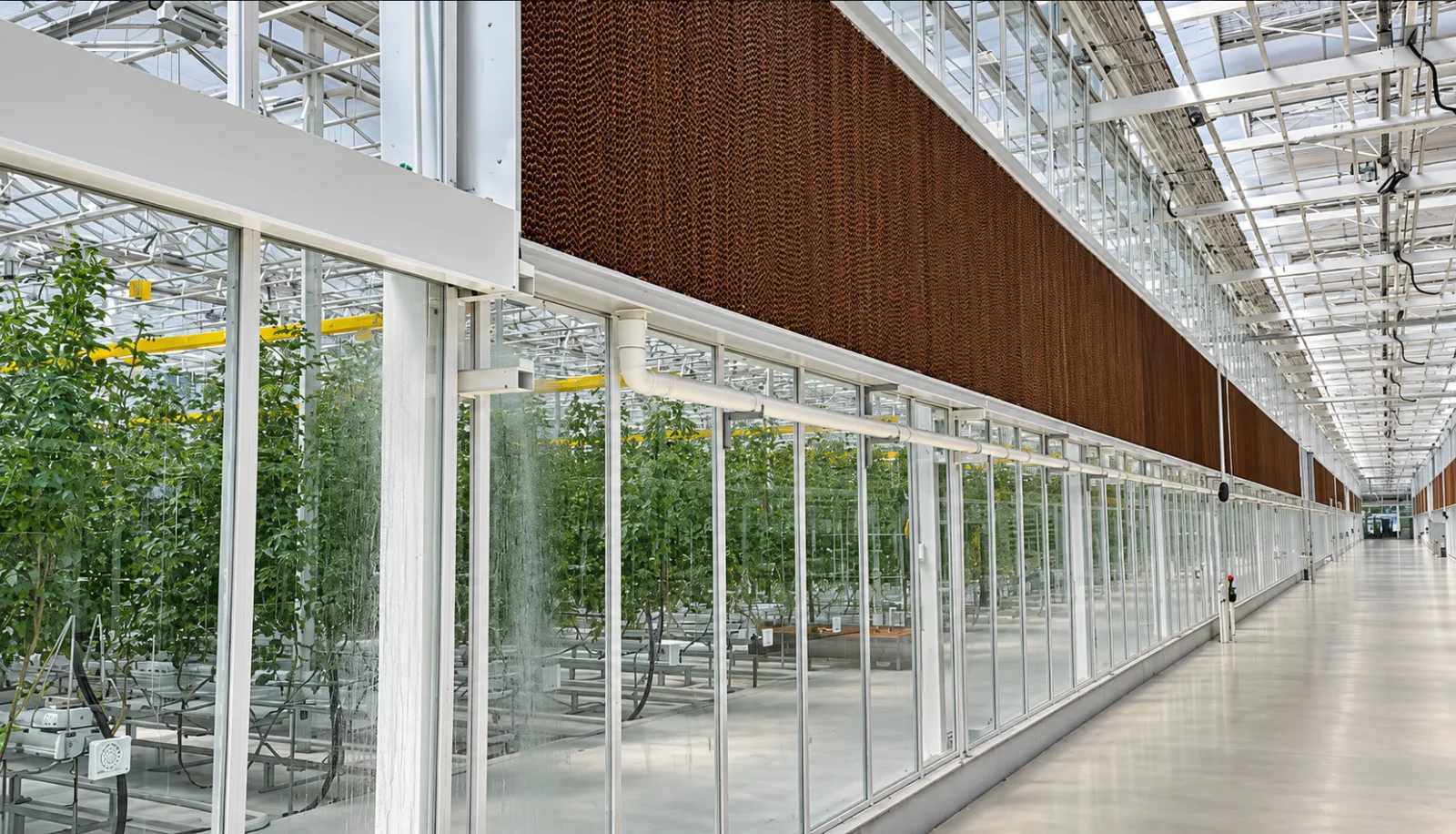
Use natural ventilation, shade screens, fan-and-pad cooling and canopy-level air circulation. Zone large bays around crop needs.
Coordinate cooling, ventilation, shading and humidity around the crop, facility and local climate.
Use natural ventilation, shade screens, fan-and-pad cooling and canopy-level air circulation. Zone large bays around crop needs.
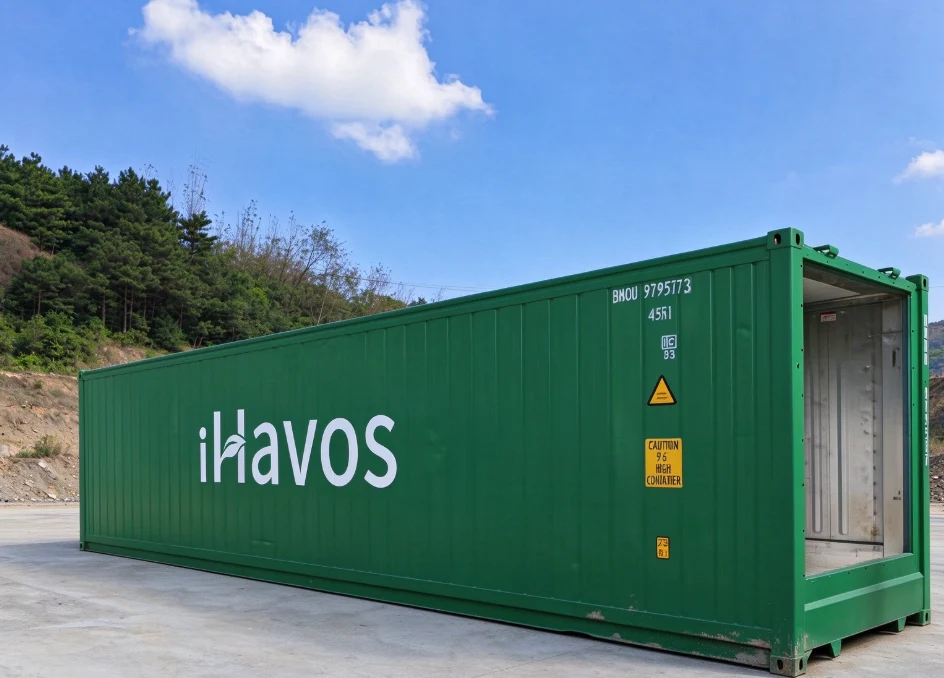
Combine an insulated enclosure with heat pumps or air conditioning, dehumidification, controlled fresh air, CO₂ monitoring and LED lighting.
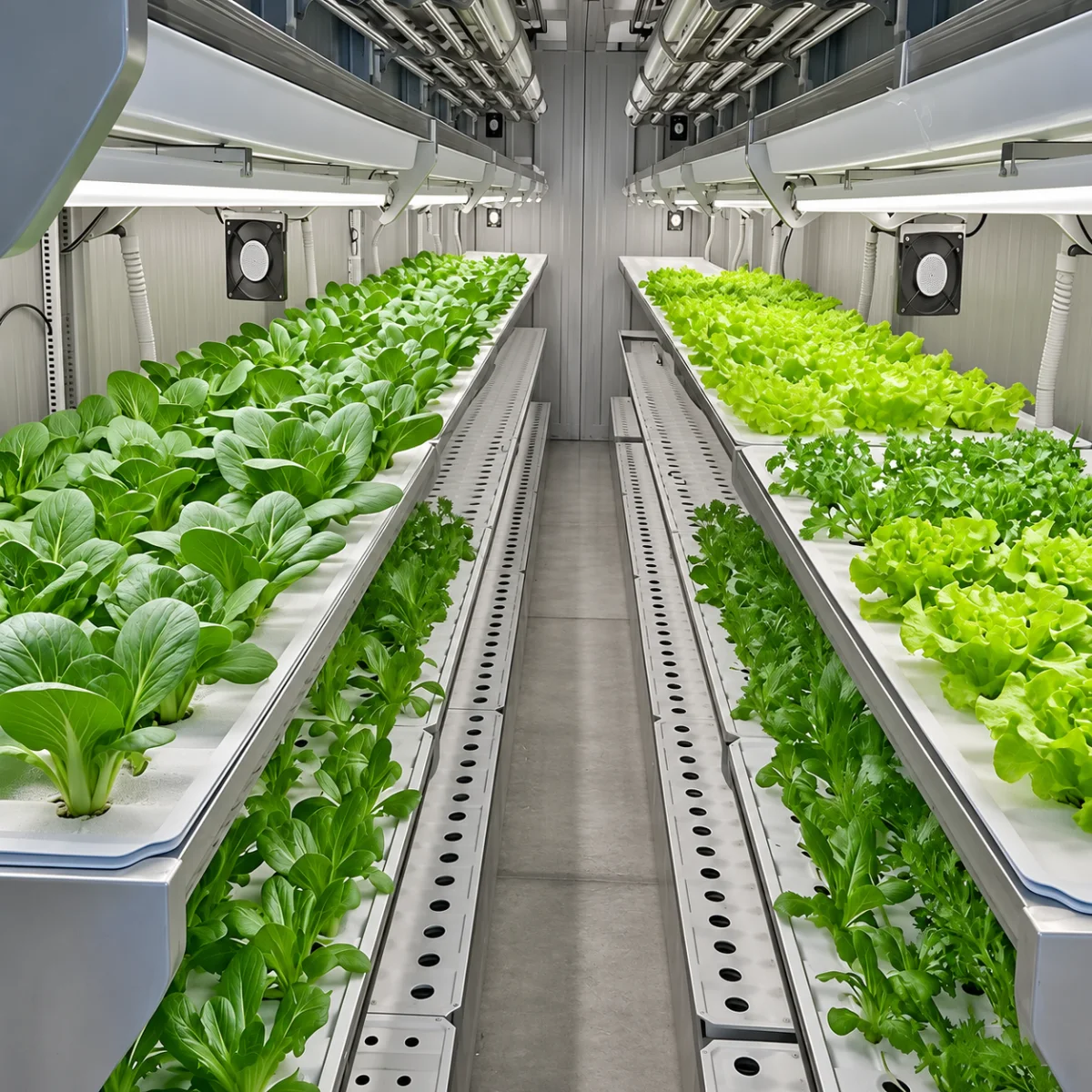
Coordinate temperature, humidity, filtered air, positive pressure, CO₂ and full-spectrum LED lighting across cultivation layers.
Fan-and-pad evaporative cooling, air-source heat pumps, and local refrigerant or liquid-cooled terminals.
Motorized roof and side vents, exhaust fans, horizontal airflow fans and distributed air supply.
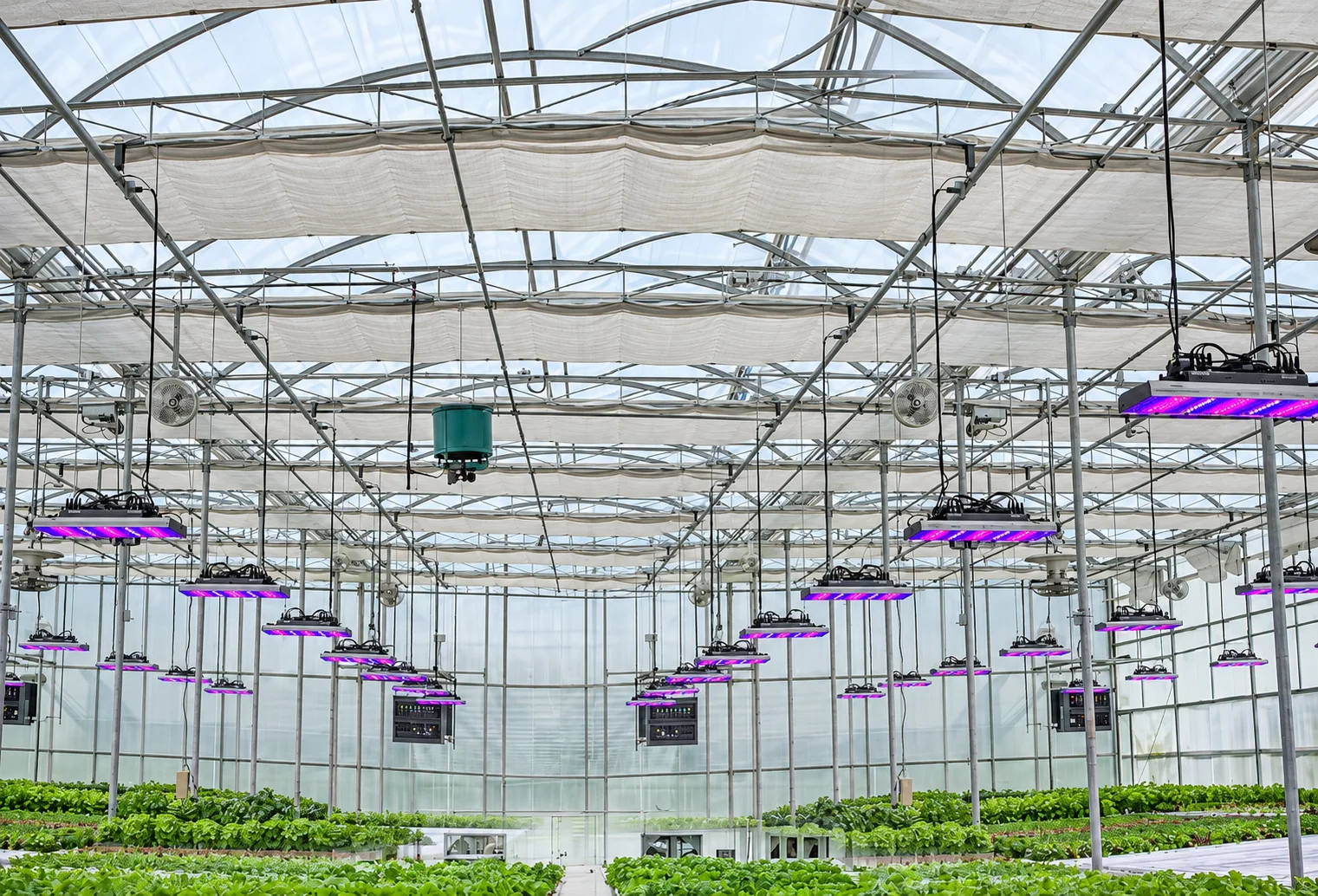
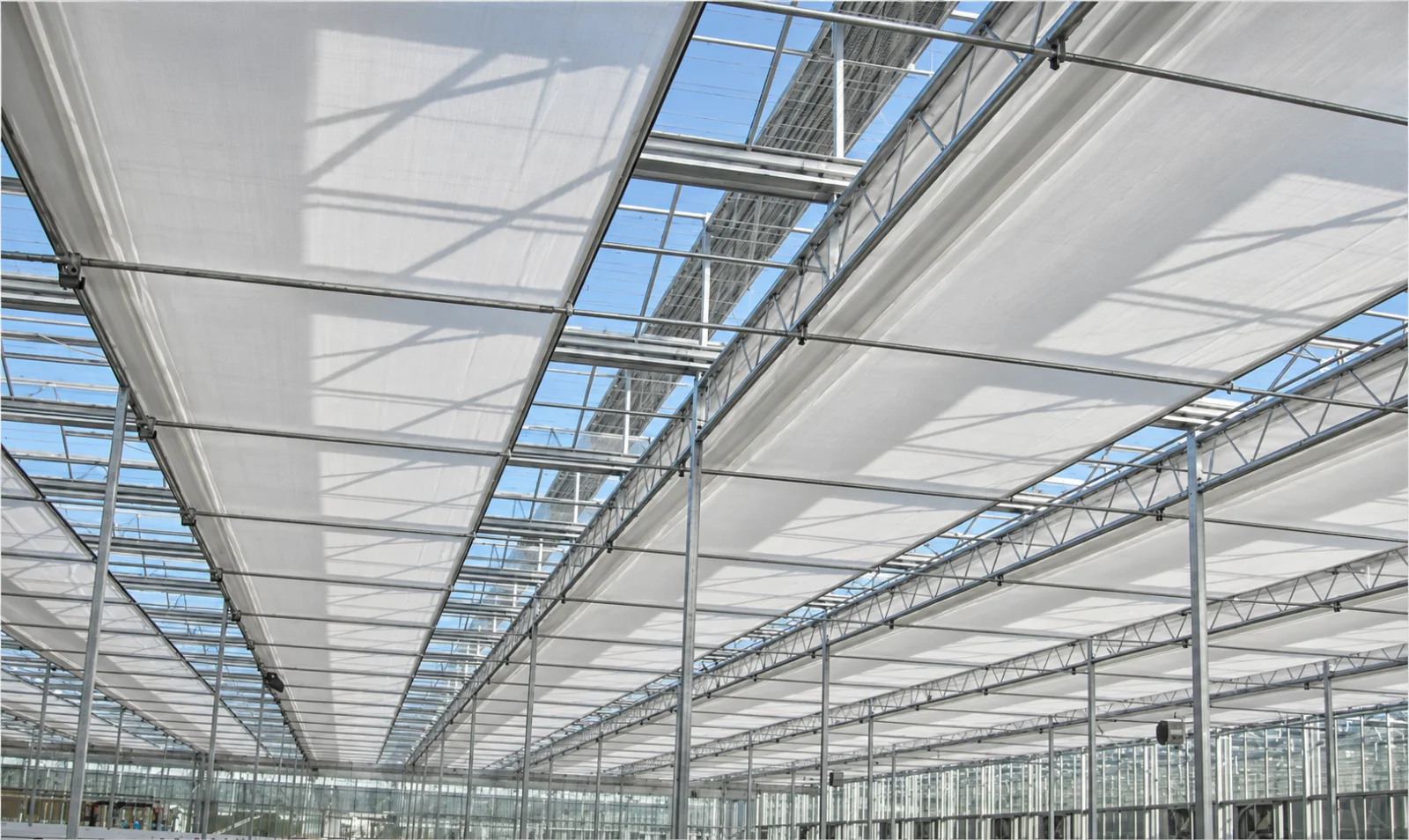
Internal and external screens manage solar gain, with weather interlocks where specified.
Heat pumps and hot-water circuits, including underfloor heating or pipe coils for nursery zones.
Dehumidifiers, evaporative humidification and misting coordinated around dew point and vapor pressure deficit (VPD).
Full-spectrum LEDs for overhead or multilayer racks, with adjustable intensity, spectrum and photoperiod.
Generators or storage tanks with concentration monitoring and ventilation coordination.
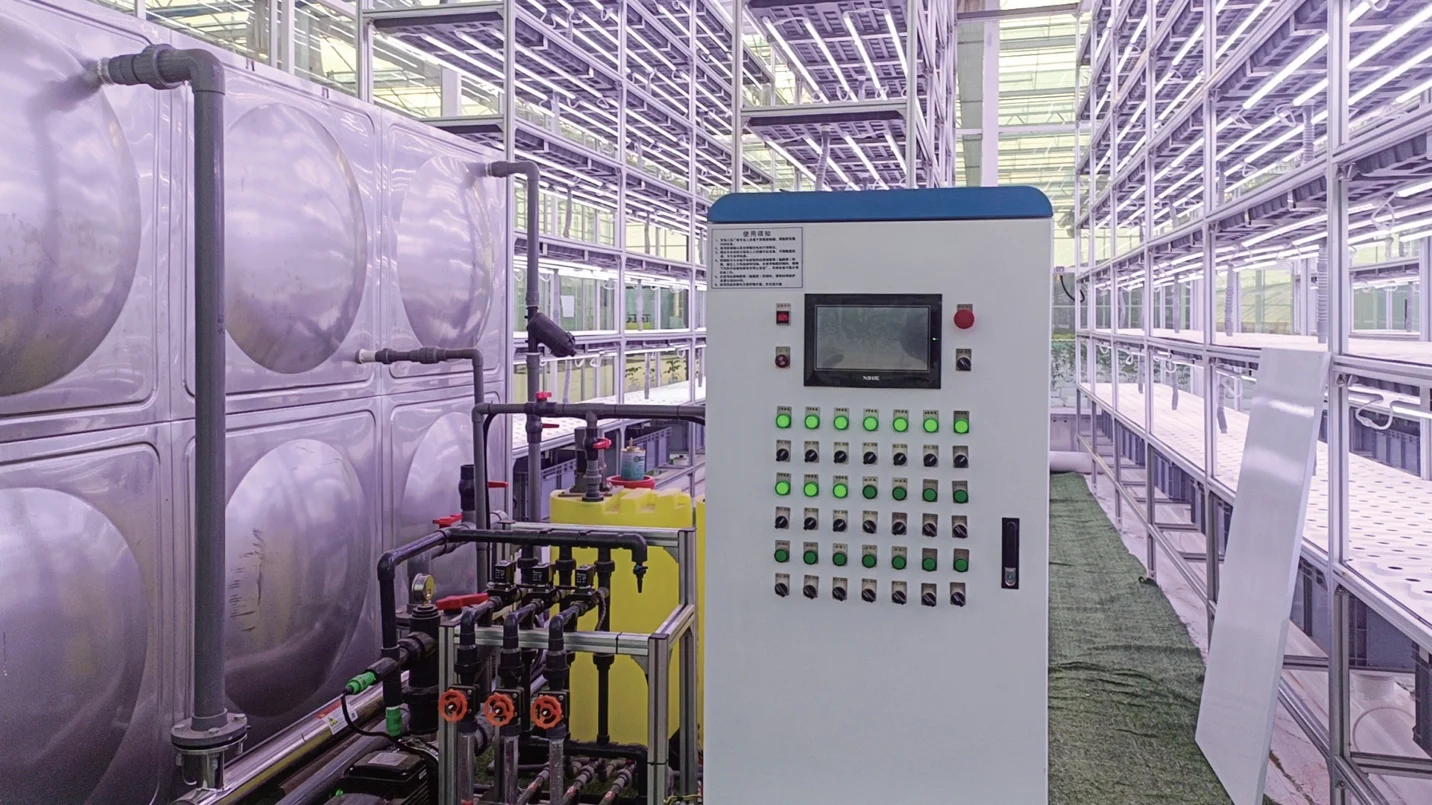
Weather station, crop-zone sensors and control panels monitor air and root-zone conditions, including temperature, humidity, light, CO₂, EC and pH.
Dedicated controllers run fans, fertigation, shading and air circulation independently, with centralized management and significantly less cabling.
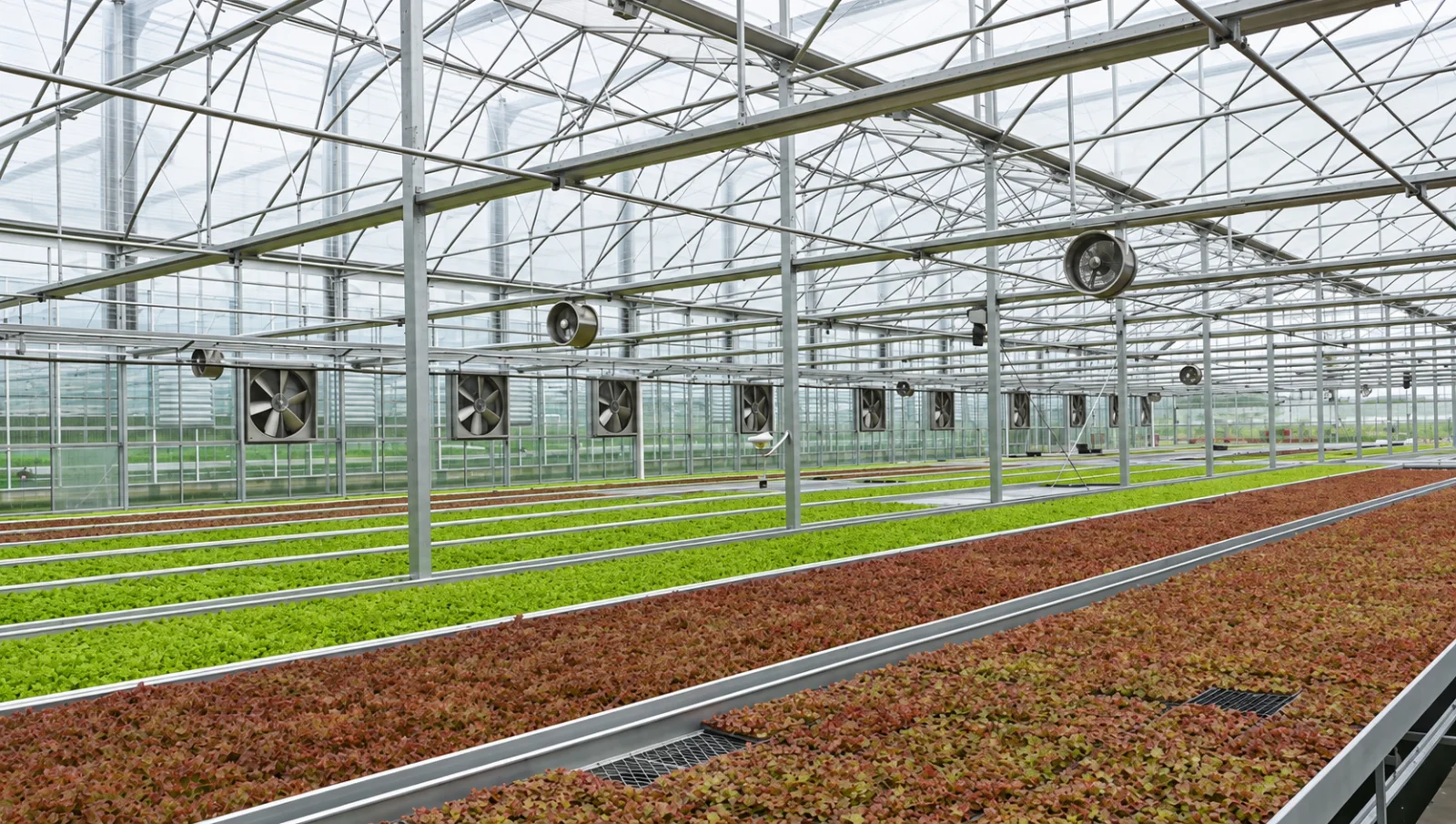
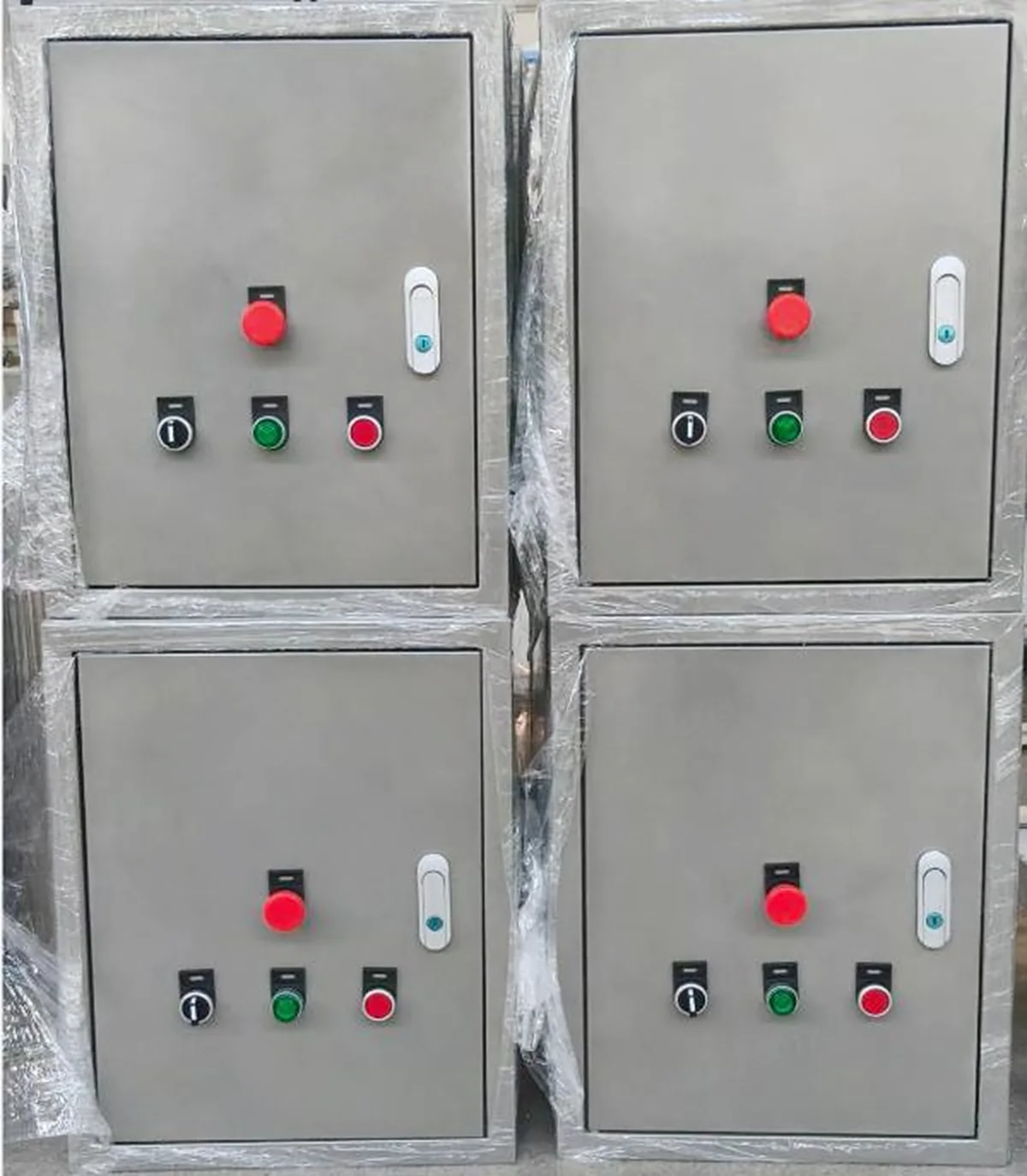
Manage solar load first, then stage evaporative cooling where outdoor conditions permit. Add local or root-zone cooling for critical areas.
Prioritize dehumidification and dew-point control. Stage ventilation according to outside humidity.
Pair insulation with heat pumps, hot-water heating and root-zone temperature control.
Evaluate thermal storage and off-peak equipment scheduling.
Compare closed-loop cooling with evaporative options, including water treatment and recirculation where pads are used.
Use shading and favorable outside air before adding mechanical cooling capacity.
Stage fans and secondary cooling around demand in production bays, nurseries and service areas.
Condition nutrient solution where appropriate and evaluate shared cooling or heat-exchange opportunities.
Read conditions across crop zones, compare them with setpoints, and stage equipment in response. Coordinate ventilation, CO₂, lighting and irrigation so simultaneous actions support the crop target.
Spatial views show differences by zone and cultivation layer. Equipment status, energy use and climate history help operators refine schedules and investigate alarms.
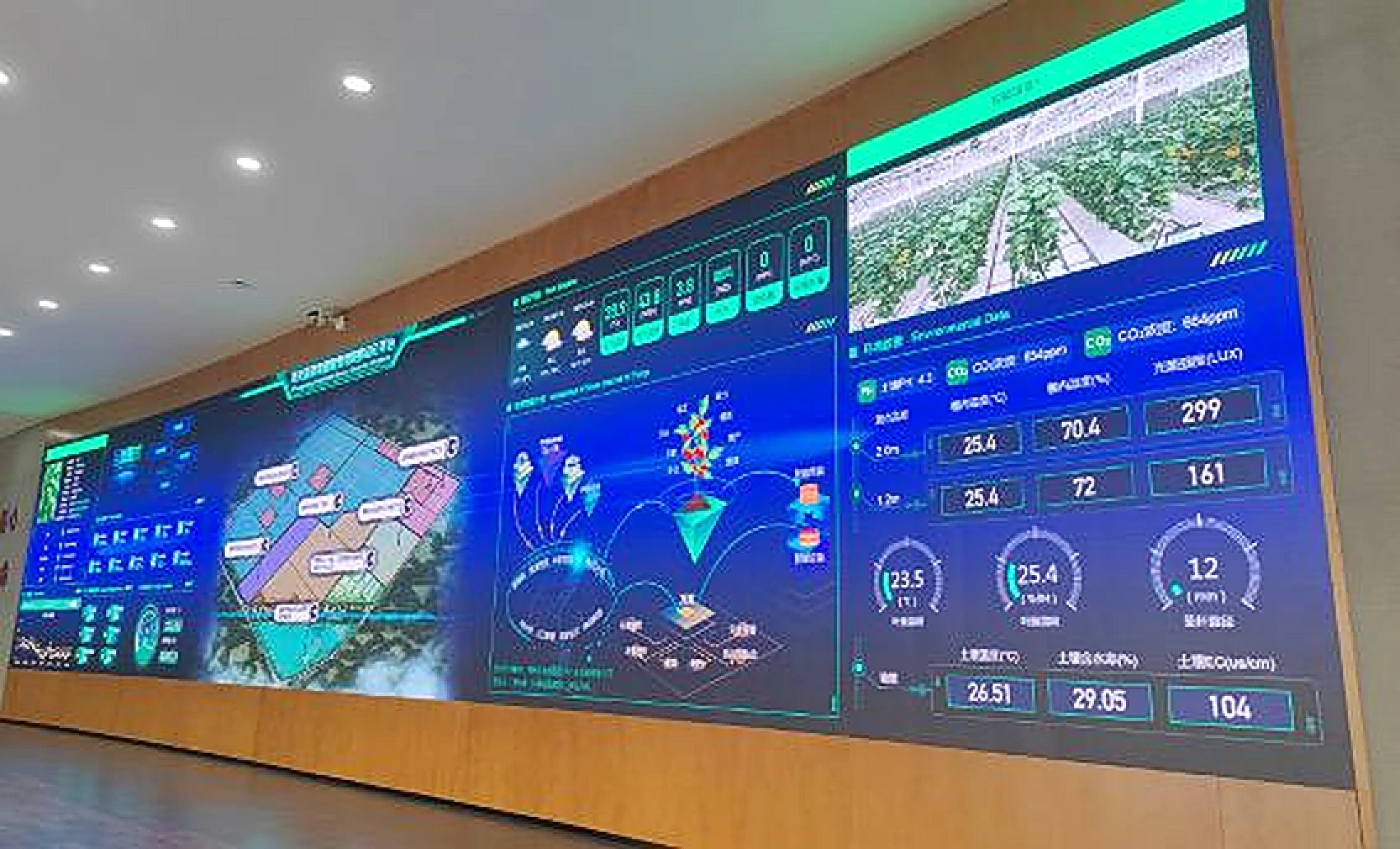
iHavos defines crop targets, sizes equipment for site conditions and sets up operating sequences. Baream supports installation and checks sensors, operating modes, interlocks and alarms during commissioning.