From Desert Land to an Integrated Agricultural Production System
Located approximately 40 km west of Riyadh, Saudi Arabia, the Muzahmiyah Farm Project is a large-scale controlled-environment agriculture development with a planned area of 400,000 m².
The project has completed 21,120 m² of glass greenhouses, integrating water treatment, climate control, hydroponic and substrate cultivation systems, and digital agriculture technologies. Designed for the region's extreme desert conditions, the development demonstrates iHavos' integrated engineering capabilities while establishing a foundation for future expansion.
PROJECT OVERVIEW
The Muzahmiyah Farm Project is a planned 400,000 m² agricultural development located near the Tuwaiq Mountains in Riyadh Province, Saudi Arabia.
Initiated in September 2024, the project is being developed in phases to establish a large-scale, technologically advanced agricultural production facility adapted to the region's extreme desert environment.
To date, 21,120 m² of glass greenhouses have been completed, comprising four greenhouses of 5,280 m² each. The completed facilities incorporate cultivation systems for leafy greens and fruit-bearing vegetables, supported by water treatment, irrigation, environmental control and digital agriculture technologies.
The project is designed with future expansion in mind, combining agricultural engineering, automation and intelligent management technologies within a scalable development framework.
Rather than approaching the greenhouses as standalone structures, iHavos developed an integrated engineering and technology solution that connects site infrastructure, resource management, cultivation systems and digital operations.
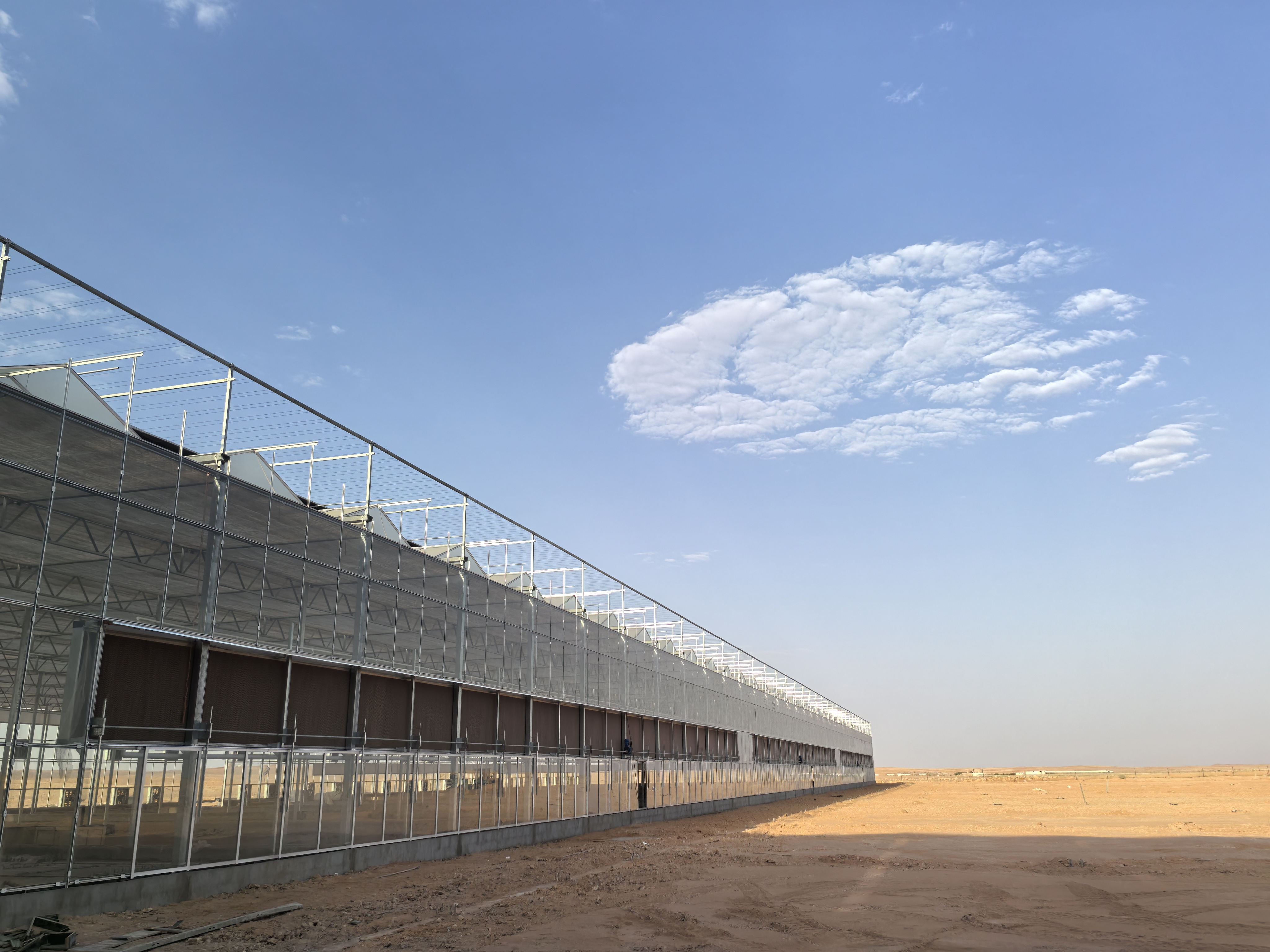
| Item | Details |
|---|---|
| Project | Muzamiah Facility Agricultural Park |
| Location | Muzahmiyah, Riyadh Province, Saudi Arabia |
| Project initiation | September 2024 |
| Planned development area | 400,000 m² (40 hectares) |
| Completed greenhouse area | 21,120 m² (2.112 hectares) |
| Completed greenhouses | 4 glass greenhouses, 5,280 m² each |
| Cultivation systems | Hydroponic leafy greens and substrate-grown fruit vegetables |
| Development approach | Phased development with provision for future expansion |
PROJECT BACKGROUND
The project site presents a combination of environmental and infrastructure challenges that require a comprehensive engineering approach.
Summer air temperatures can exceed 45°C, while exposed ground surfaces may reach temperatures above 60°C. Annual rainfall is limited, and the site relies on off-grid electricity generation, creating additional constraints on water availability, energy consumption and operating costs.
Under these conditions, conventional greenhouse construction alone is insufficient. Successful agricultural production requires coordinated solutions for cooling, water treatment, irrigation, energy supply, cultivation and day-to-day operations.
The project was therefore designed around three fundamental priorities:
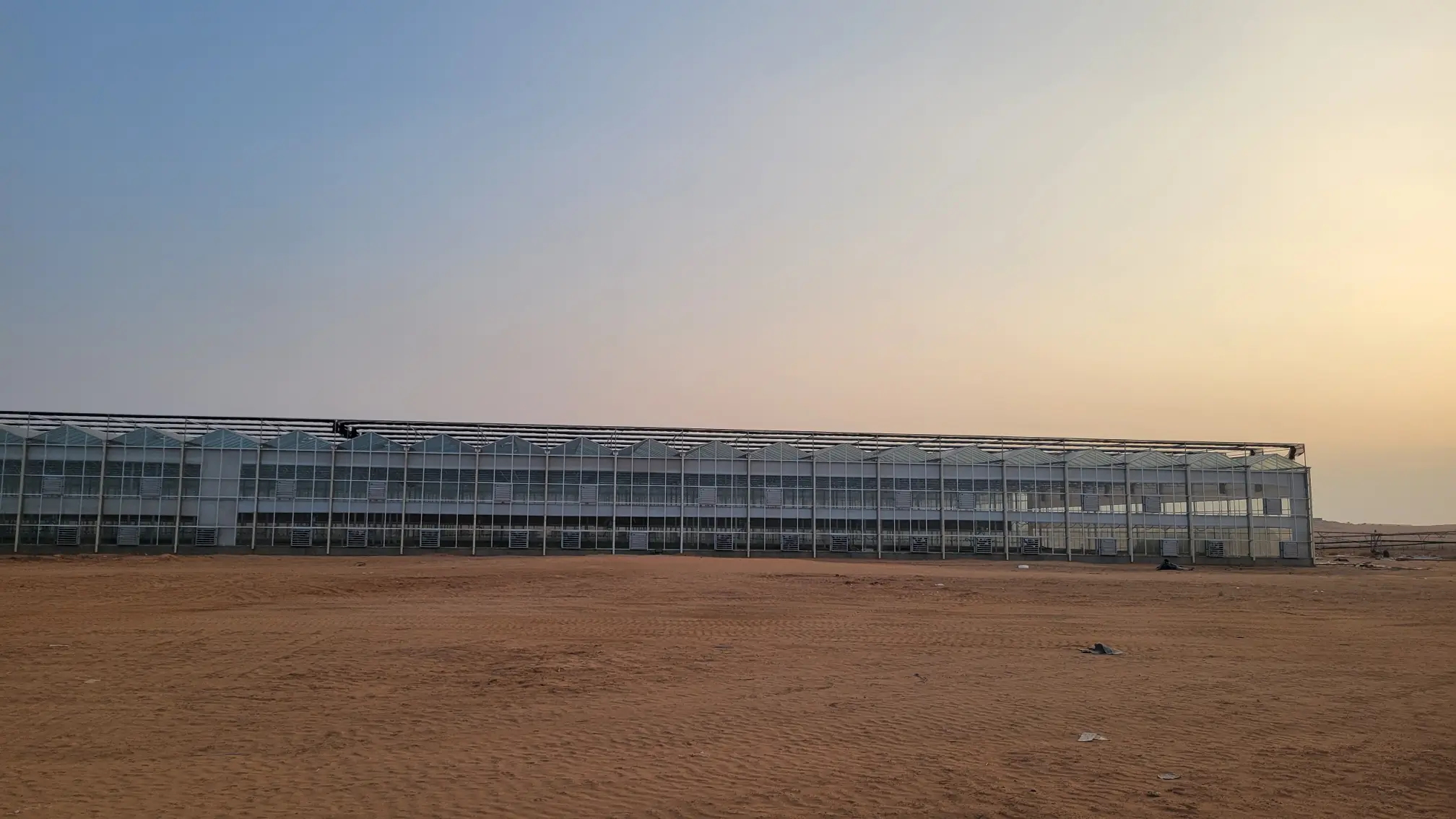
Developing greenhouse structures and environmental control systems suited to high solar radiation, extreme heat and arid conditions.
Integrating water treatment, irrigation, nutrient delivery and off-grid power infrastructure to support resource-efficient agricultural production.
Connecting infrastructure, cultivation technologies, automation and digital management to establish a practical foundation for agricultural production.
The project reflects iHavos' approach to controlled-environment agriculture: engineering solutions around local environmental constraints rather than applying a standardized facility design.
SCOPE OF WORK
iHavos' involvement extends across the principal stages of agricultural project development, from site preparation and infrastructure construction to greenhouse systems, cultivation equipment and operational support.
The project encompasses the following engineering and technology workstreams.
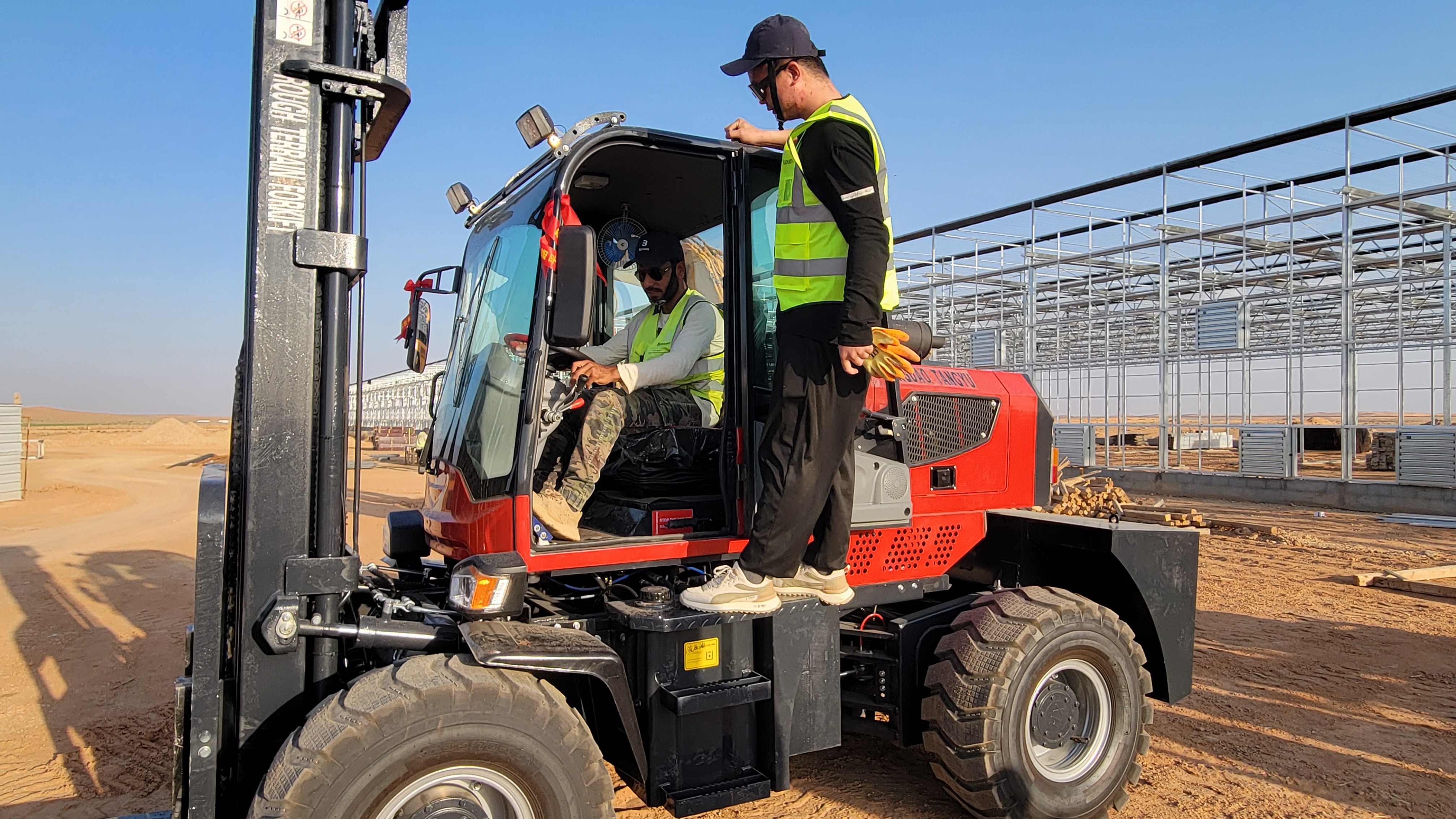
Land grading, foundations, site preparation and supporting civil works, including the deployment of construction machinery and on-site concrete production capabilities.
Structural engineering, greenhouse construction, glazing, ventilation infrastructure, shading systems and environmental equipment installation.
Water storage facilities, reverse-osmosis treatment, water conditioning, irrigation distribution and nutrient management infrastructure.
Cultivation systems for leafy greens and fruit-bearing vegetables, nursery equipment, irrigation and fertigation systems, and associated production automation.
Environmental sensing, distributed control, equipment connectivity, digital monitoring and digital twin applications designed to improve visibility and coordination across farm operations.
Supporting buildings, staff accommodation, site utilities, equipment commissioning, trial cultivation and production preparation.
By coordinating these workstreams within a common engineering framework, iHavos aims to reduce interface complexity, improve construction efficiency and maintain greater control over project quality and execution.
DESIGN & TECHNOLOGY
The project consists of four glass greenhouses, each covering 5,280 m². The greenhouse structures incorporate roof configurations and foundation systems adapted to the site's sandy ground conditions and environmental requirements.
Two distinct cultivation configurations support different crop categories, while shared infrastructure provides water treatment, nutrient management, climate control and digital connectivity.
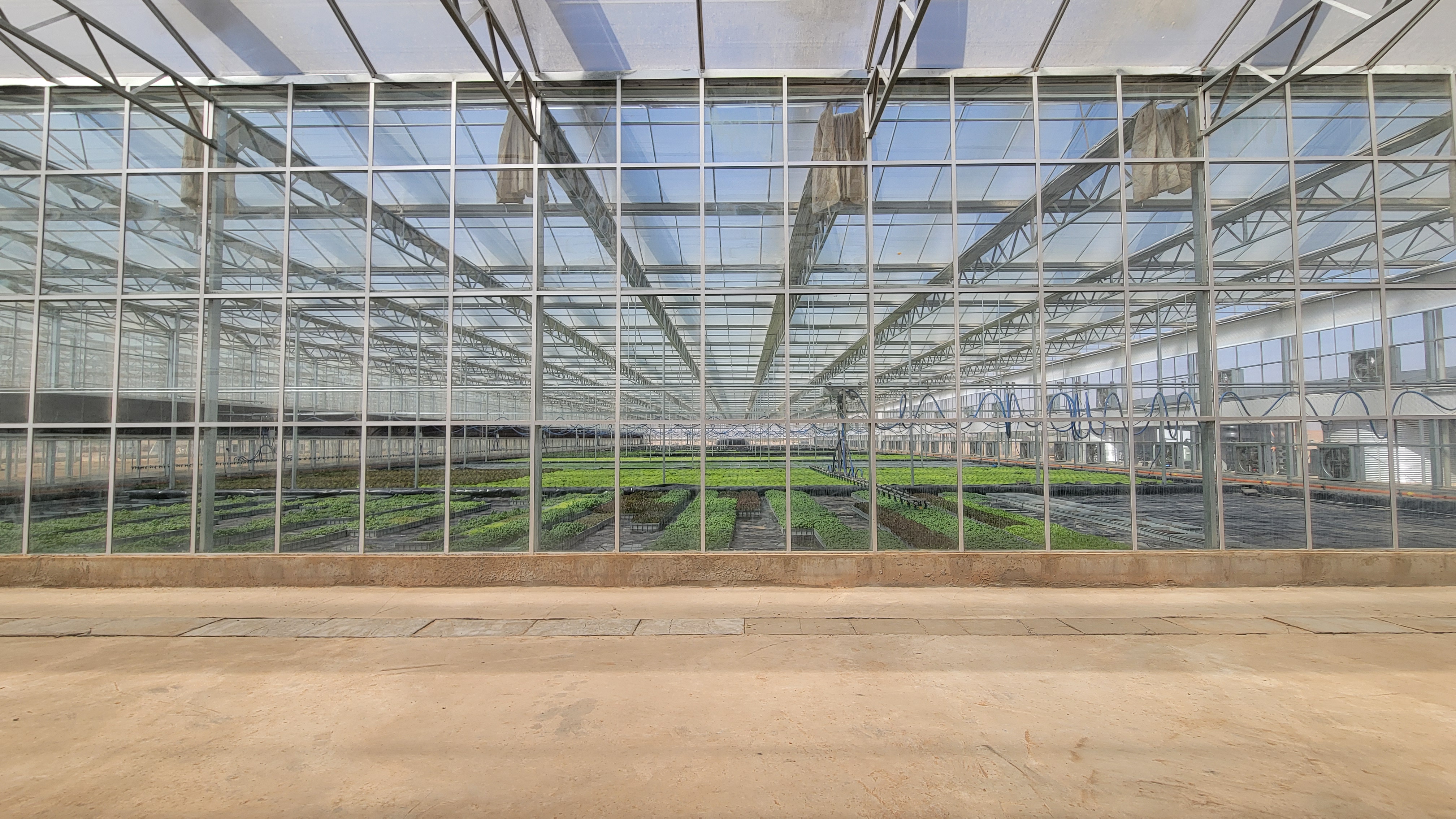
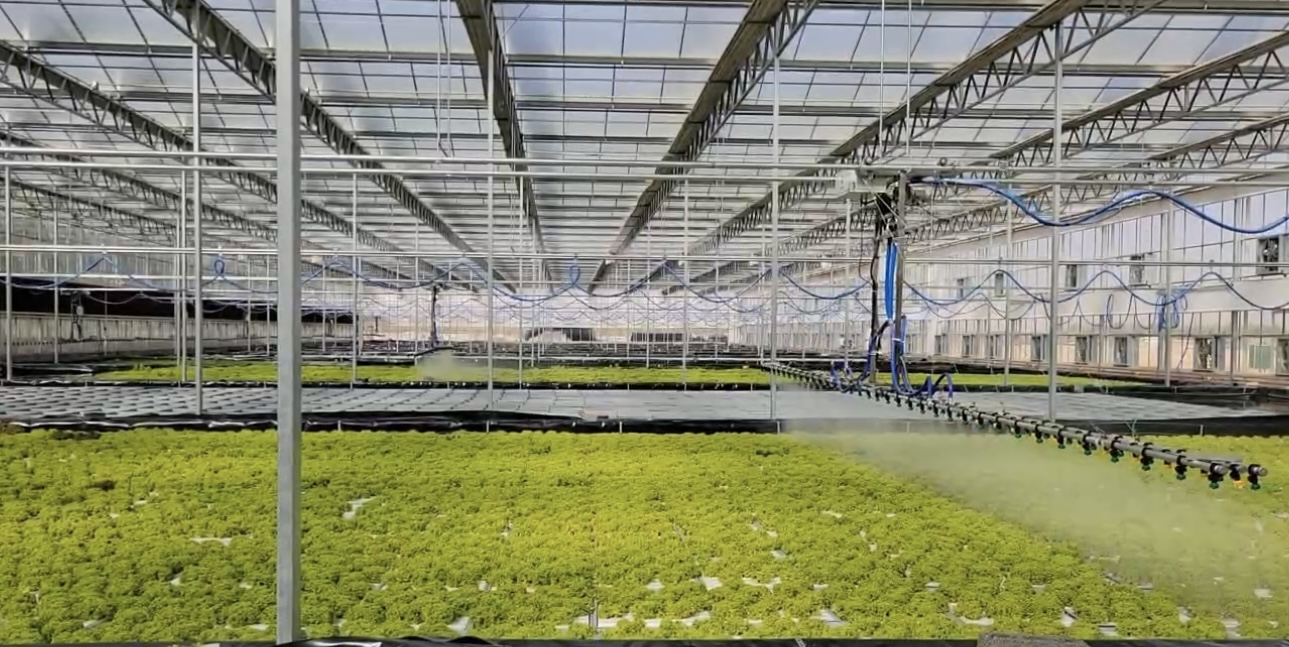
2 greenhouses | 10,560 m²
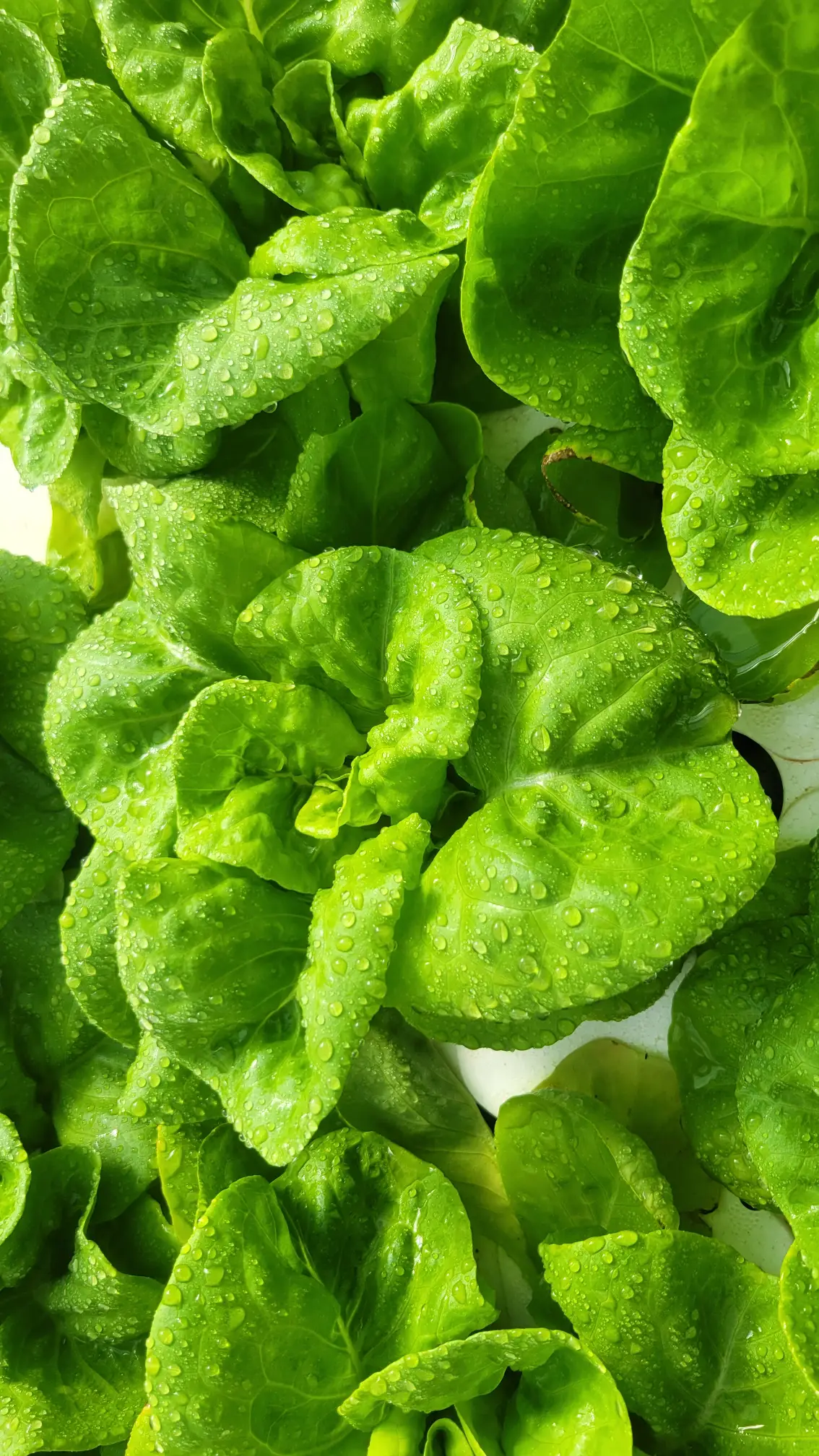
Designed for lettuce and other leafy vegetables, these greenhouses incorporate shallow-flow hydroponic cultivation systems and automated overhead irrigation equipment.
The production configuration supports organized crop management, efficient use of growing space and integration with environmental monitoring and irrigation control.
2 greenhouses | 10,560 m²
Designed for fruit-bearing vegetables, these greenhouses incorporate rockwool substrate cultivation, drip fertigation and drainage collection infrastructure.
The system supports controlled water and nutrient delivery, root-zone management and the cultivation requirements of longer-cycle crops.
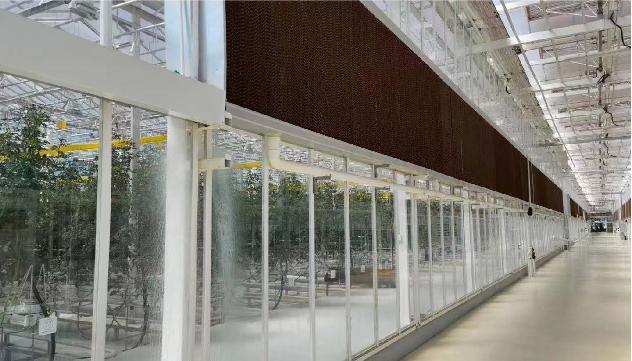
The greenhouses incorporate evaporative cooling, mechanical ventilation, shading and distributed environmental control.
These systems are configured to manage heat loads and create more suitable growing conditions during periods of extreme outdoor temperatures.
Reverse-osmosis water treatment, water conditioning and irrigation infrastructure support the different water-quality requirements of agricultural production and greenhouse operation.
Water and nutrient management systems are designed to improve application precision and support water recovery where technically appropriate.
The project's digital architecture brings together environmental sensing, equipment monitoring, operational data and digital visualization.
By linking physical agricultural infrastructure with digital systems, iHavos is developing the foundation for more coordinated, data-informed farm management.
| Greenhouses | Area | Cultivation system |
|---|---|---|
| GM01 & GM02 | 10,560 m² | Shallow-flow hydroponics for leafy greens |
| GM03 & GM04 | 10,560 m² | Rockwool substrate cultivation for fruiting crops |
CONSTRUCTION & IMPLEMENTATION
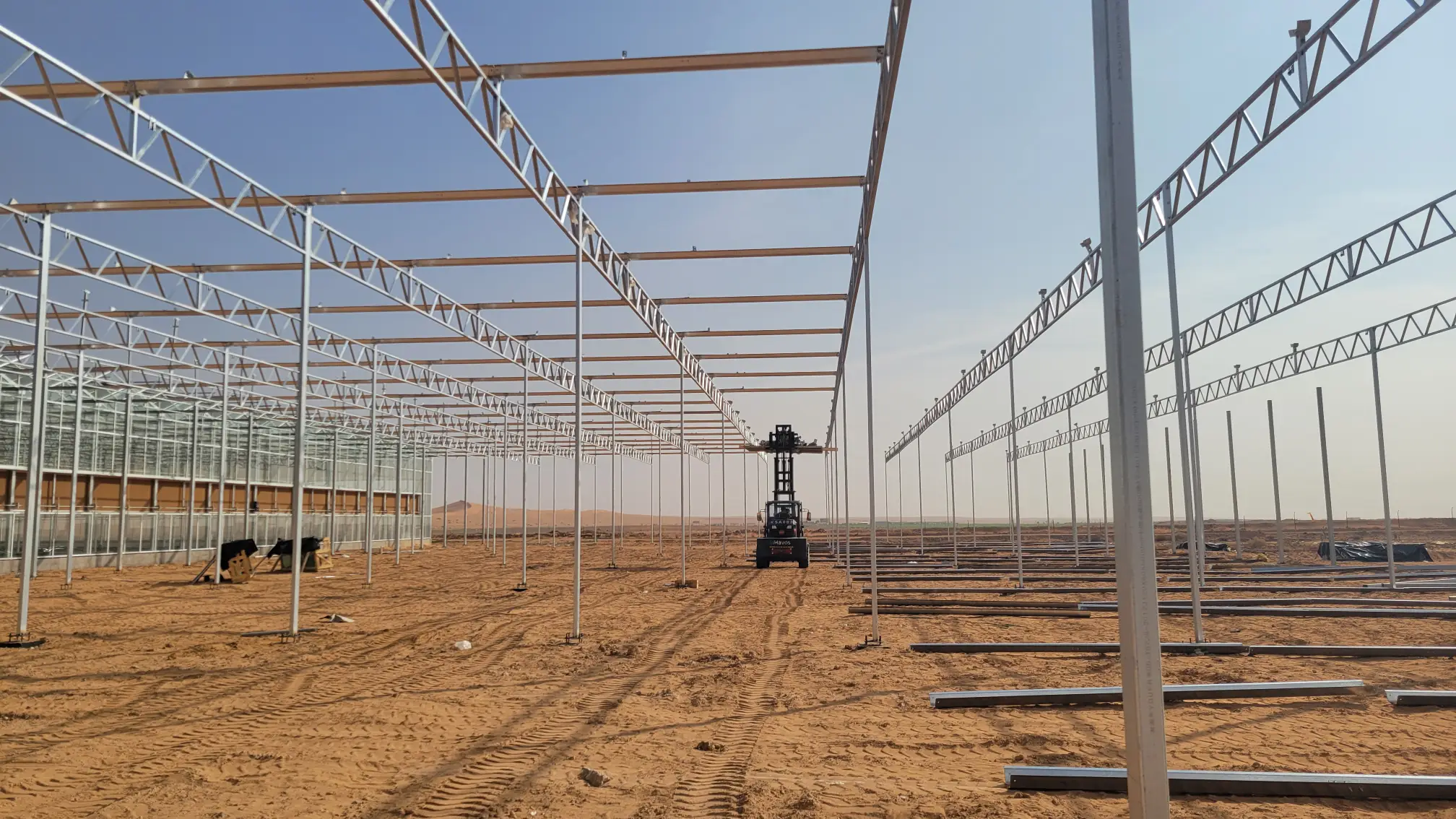
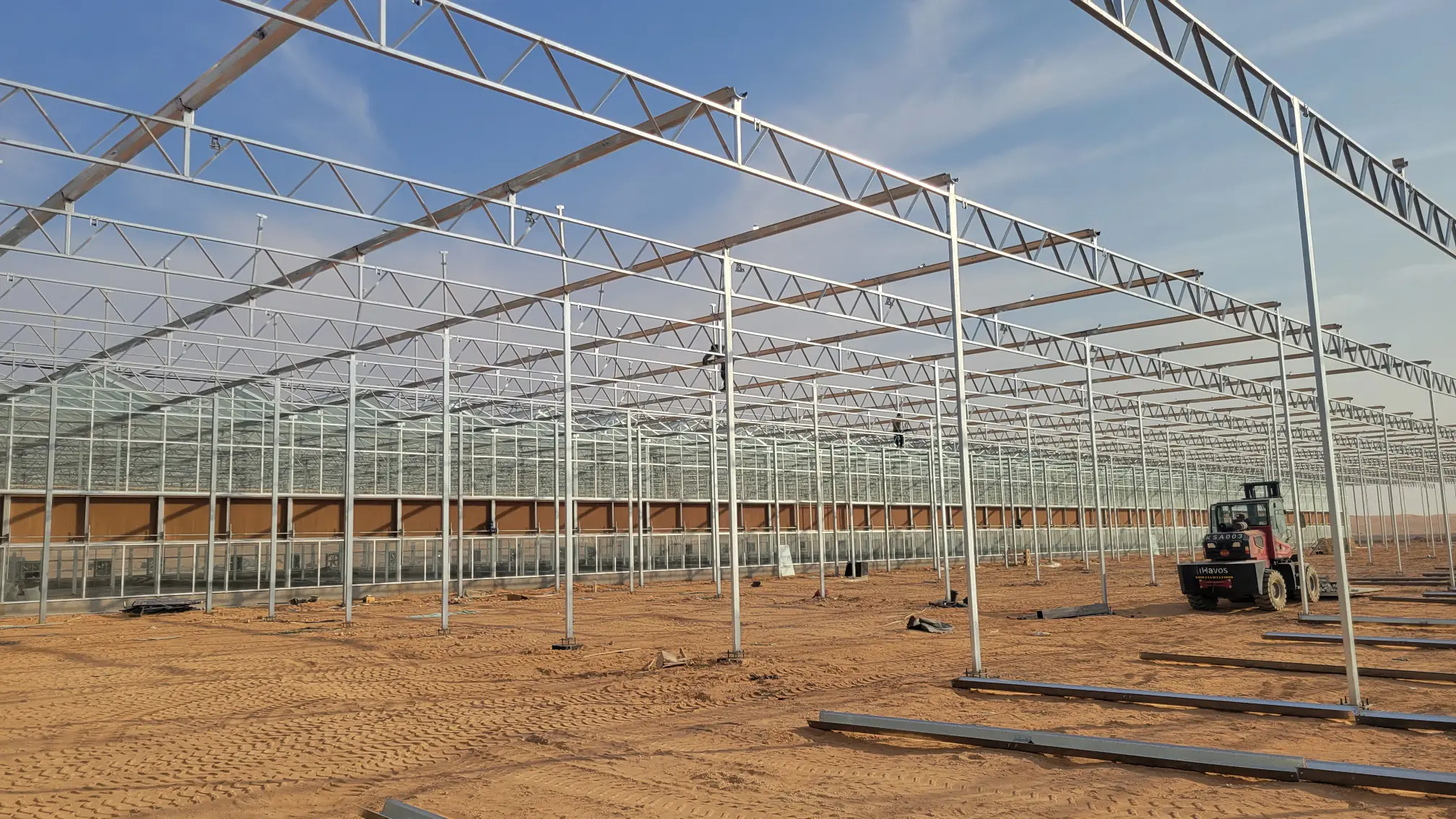
The Muzahmiyah project required extensive site preparation before greenhouse construction and agricultural system installation could proceed.
A major early workstream involved land grading and site development, which took approximately 217 days. This was followed by the installation and integration of greenhouse structures, water infrastructure, environmental systems and cultivation equipment.
The project illustrates the importance of managing civil engineering, equipment supply, construction sequencing and agricultural production preparation as interconnected activities.
| Period | Milestone |
|---|---|
| September 2024 | Project initiated; site preparation and land grading commenced |
| May 2025 | Major land grading work completed after approximately 217 days |
| 2024–2025 | Greenhouse structures, water storage, water treatment, irrigation and climate control works progressed |
| From May 2025 | Installation and integration of cultivation and production equipment progressed |
| September 2025–2026 | Trial cultivation and operational preparation activities |
The project demonstrates iHavos' capability to manage multidisciplinary engineering works in remote agricultural environments, where construction logistics, water availability, energy supply and equipment integration must be carefully coordinated.
DIGITAL AGRICULTURE & SPATIAL INTELLIGENCE
The Muzahmiyah project provides an application environment for integrating agricultural engineering with intelligent control and digital management technologies.
The digital system architecture is designed to connect environmental data, cultivation equipment, irrigation infrastructure and operational information, providing a more comprehensive view of the farm as an interconnected production environment.
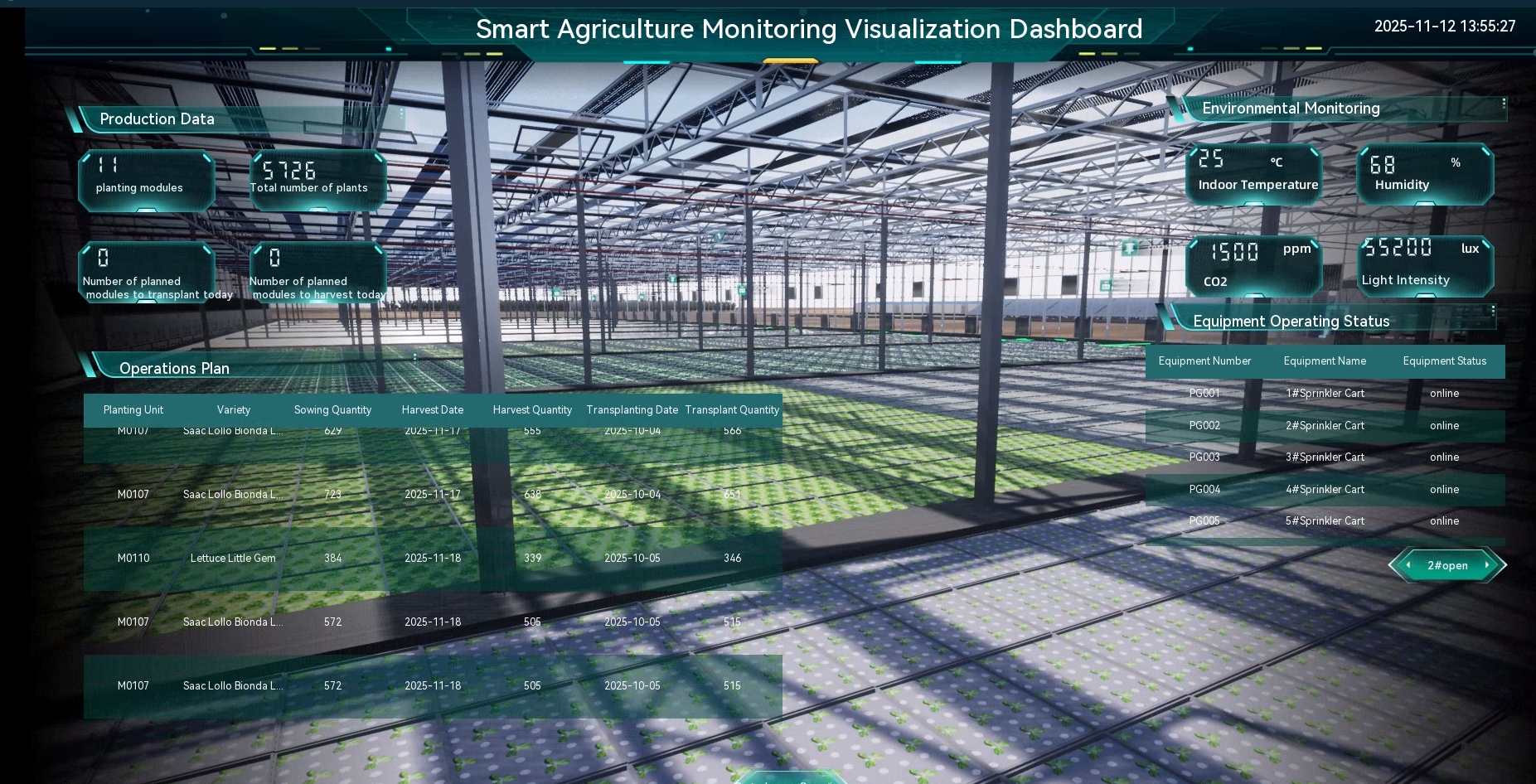
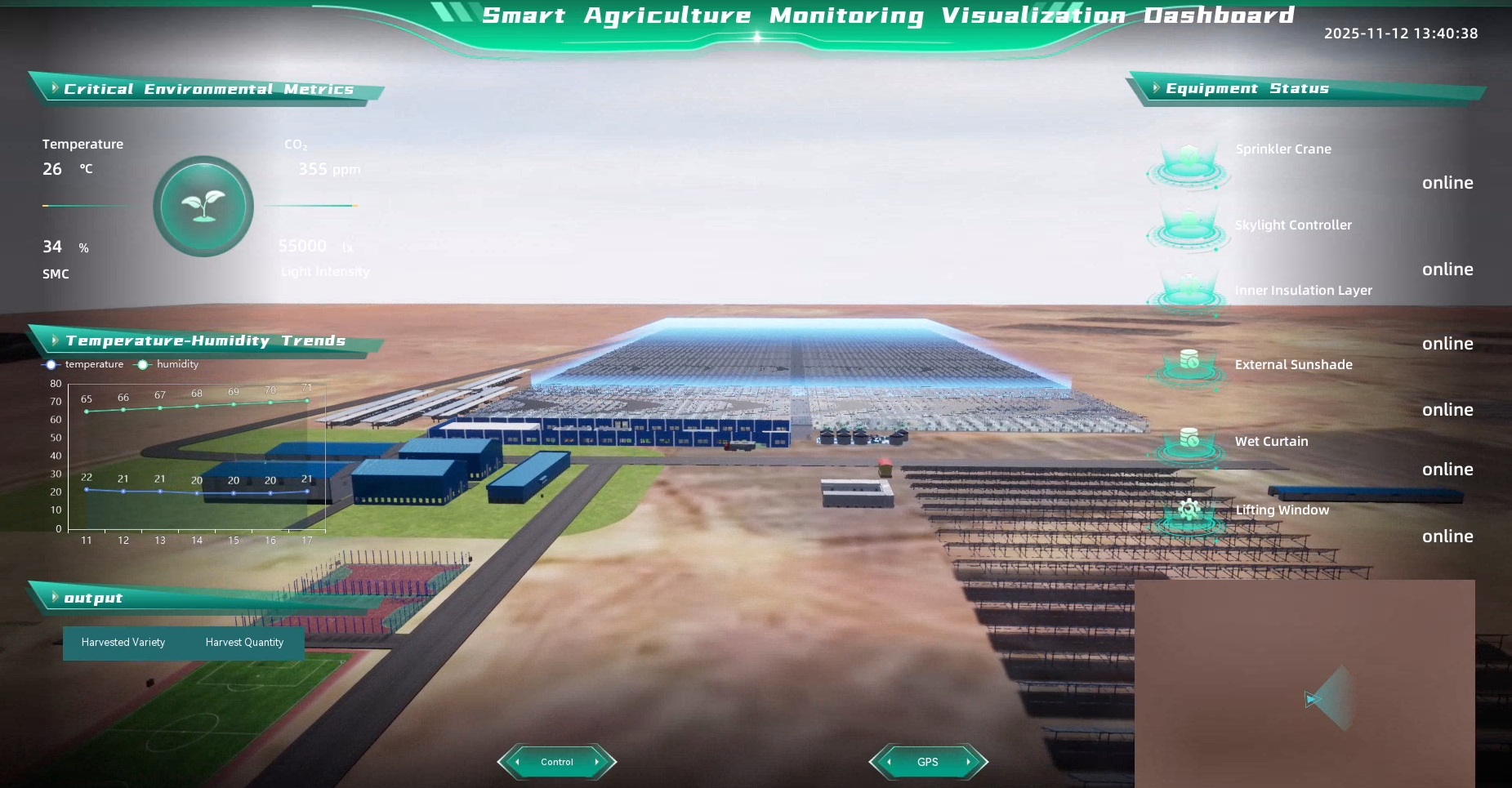
Environmental sensors and control systems support monitoring and management of greenhouse climate conditions across different growing areas.
Water and nutrient management systems incorporate monitoring and control capabilities intended to improve irrigation precision, resource efficiency and cultivation consistency.
Digital visualization connects greenhouse layouts, equipment information and operational data, supporting remote monitoring, system coordination and future optimization.
The production system architecture allows for the integration of automated equipment and material-handling technologies to support more efficient agricultural workflows.
From individual equipment control to connected agricultural operations, the project represents an important application of iHavos' digital agriculture and spatial intelligence capabilities.
TRIAL CULTIVATION & OPERATIONAL PREPARATION
Trial cultivation activities have been undertaken as part of the project's transition from engineering installation to agricultural production.
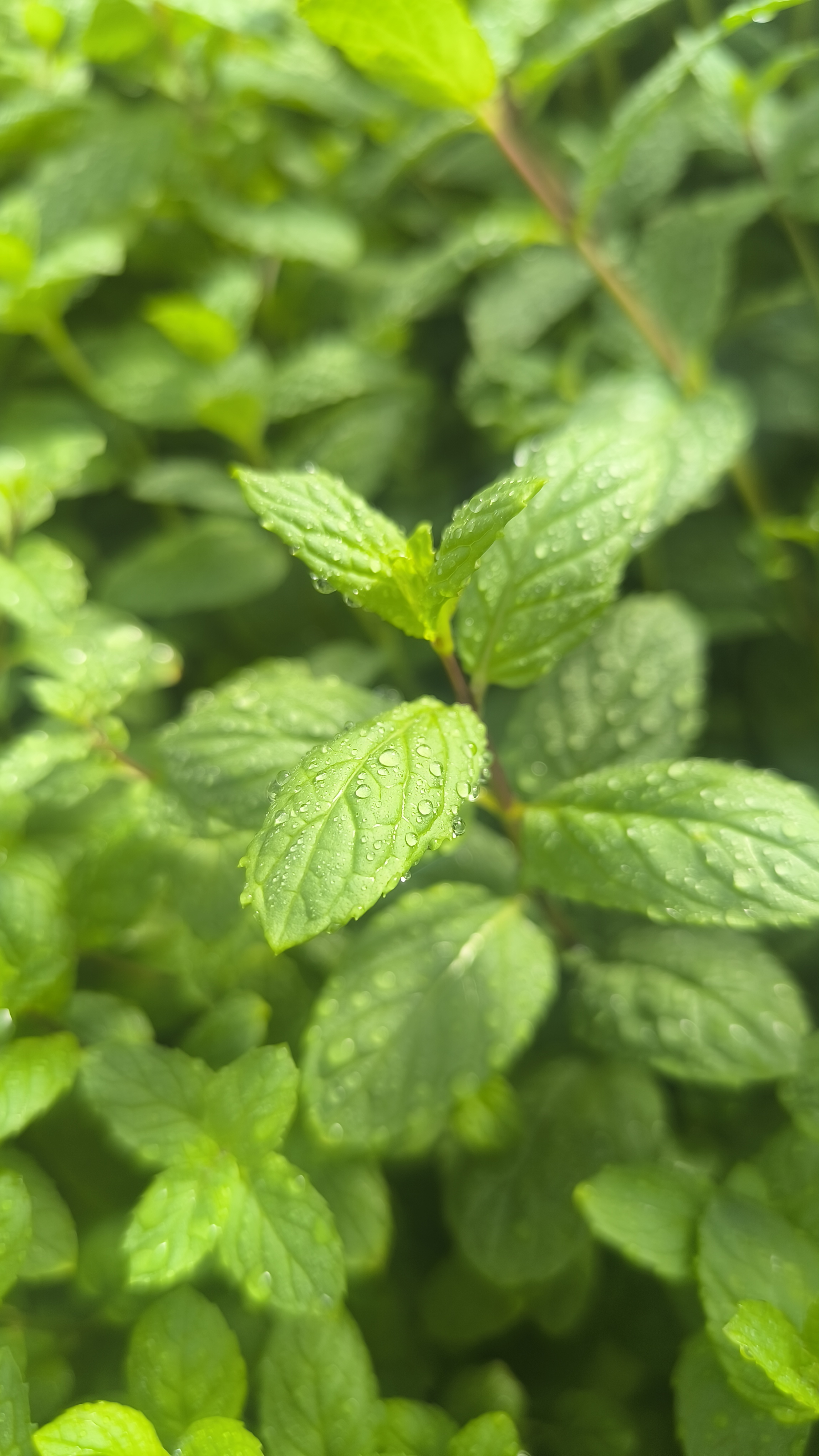
The cultivation programme includes leafy greens, herbs and selected fruit crops, providing opportunities to evaluate growing conditions, equipment performance and production workflows.
Controlled seedling propagation supports the preparation of young plants before transfer to their respective cultivation systems.
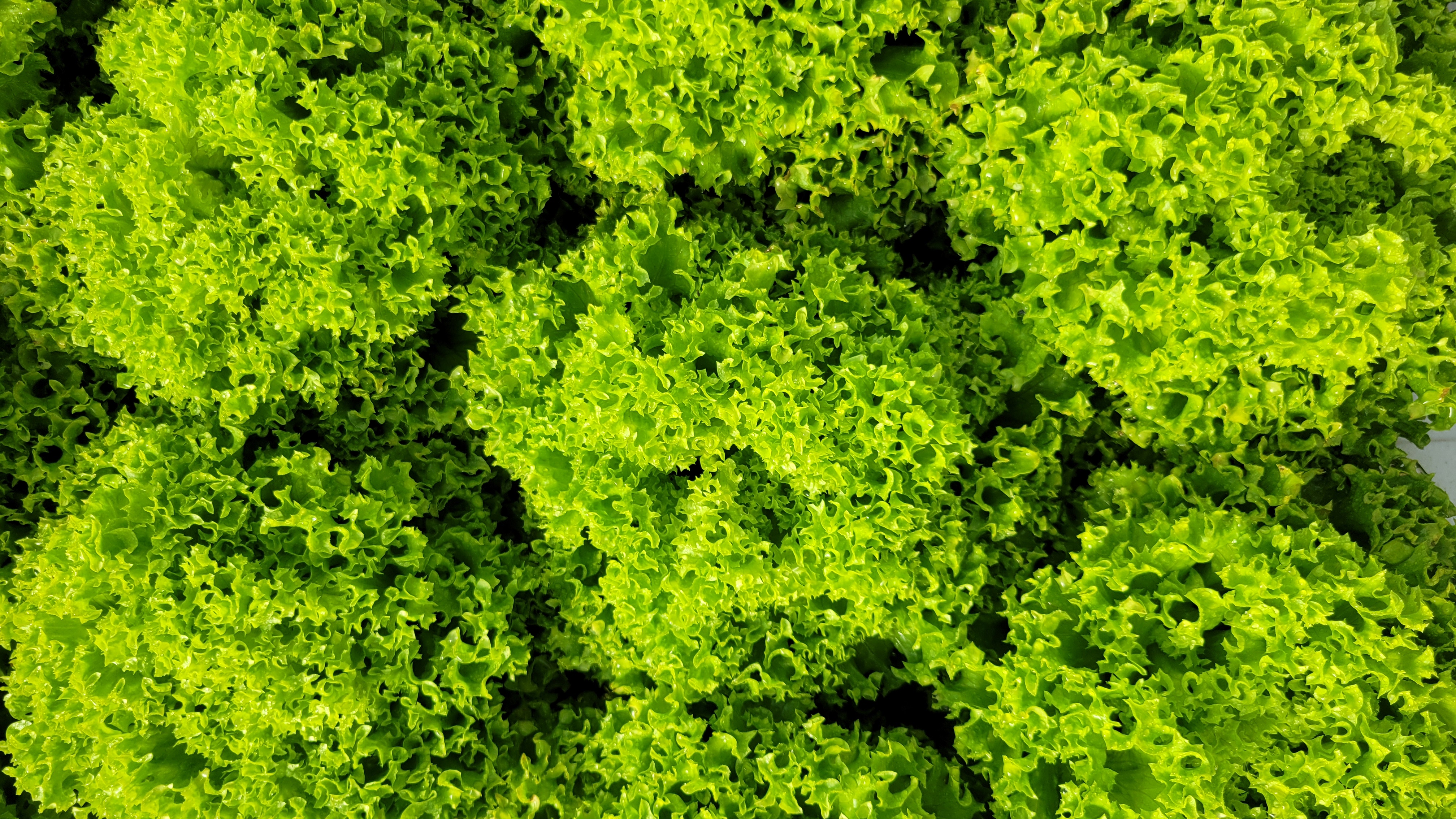
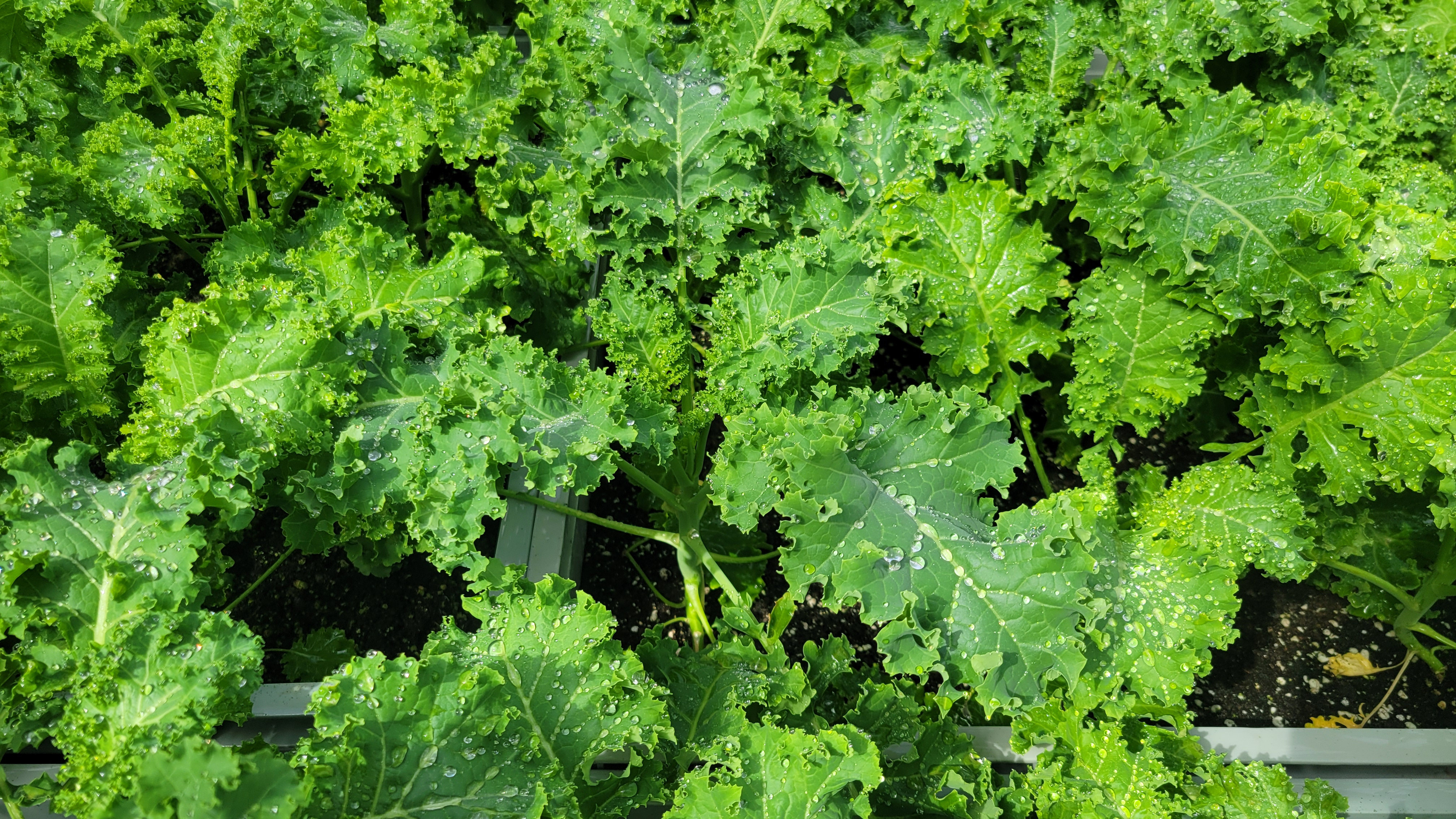
Lettuce, kale and other leafy vegetables have been introduced during trial cultivation, supporting evaluation of the growing environment and cultivation processes.
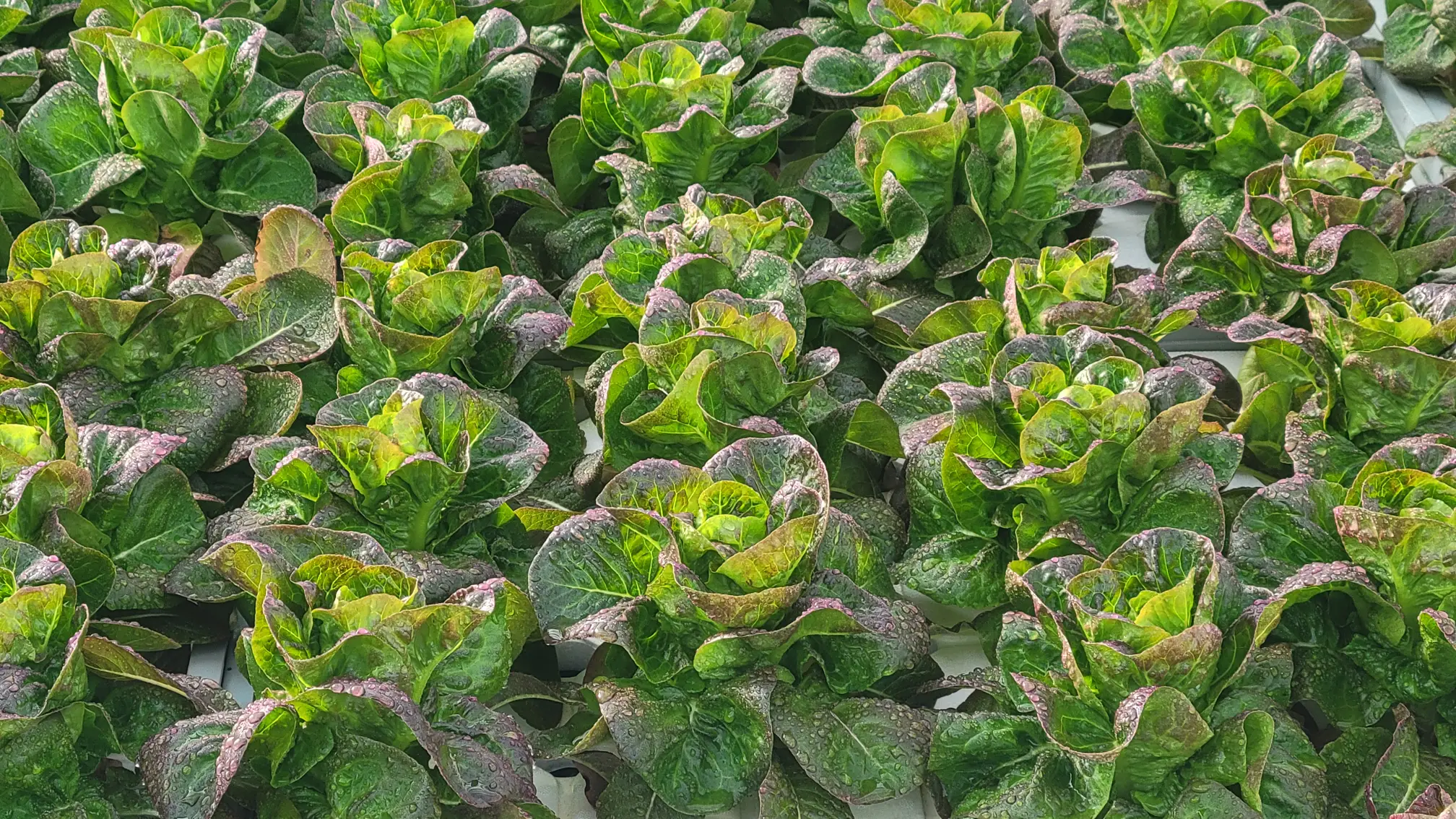
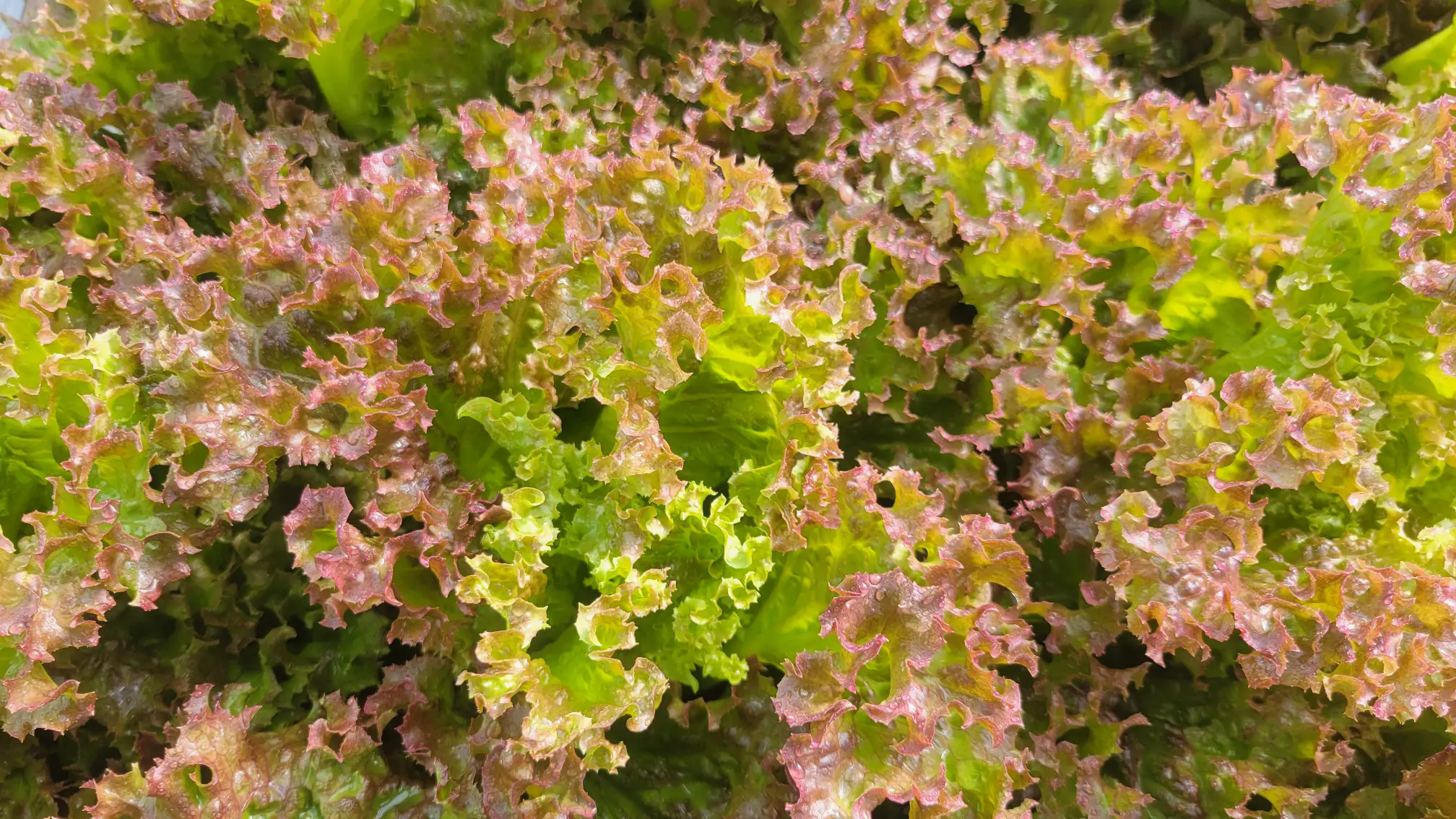
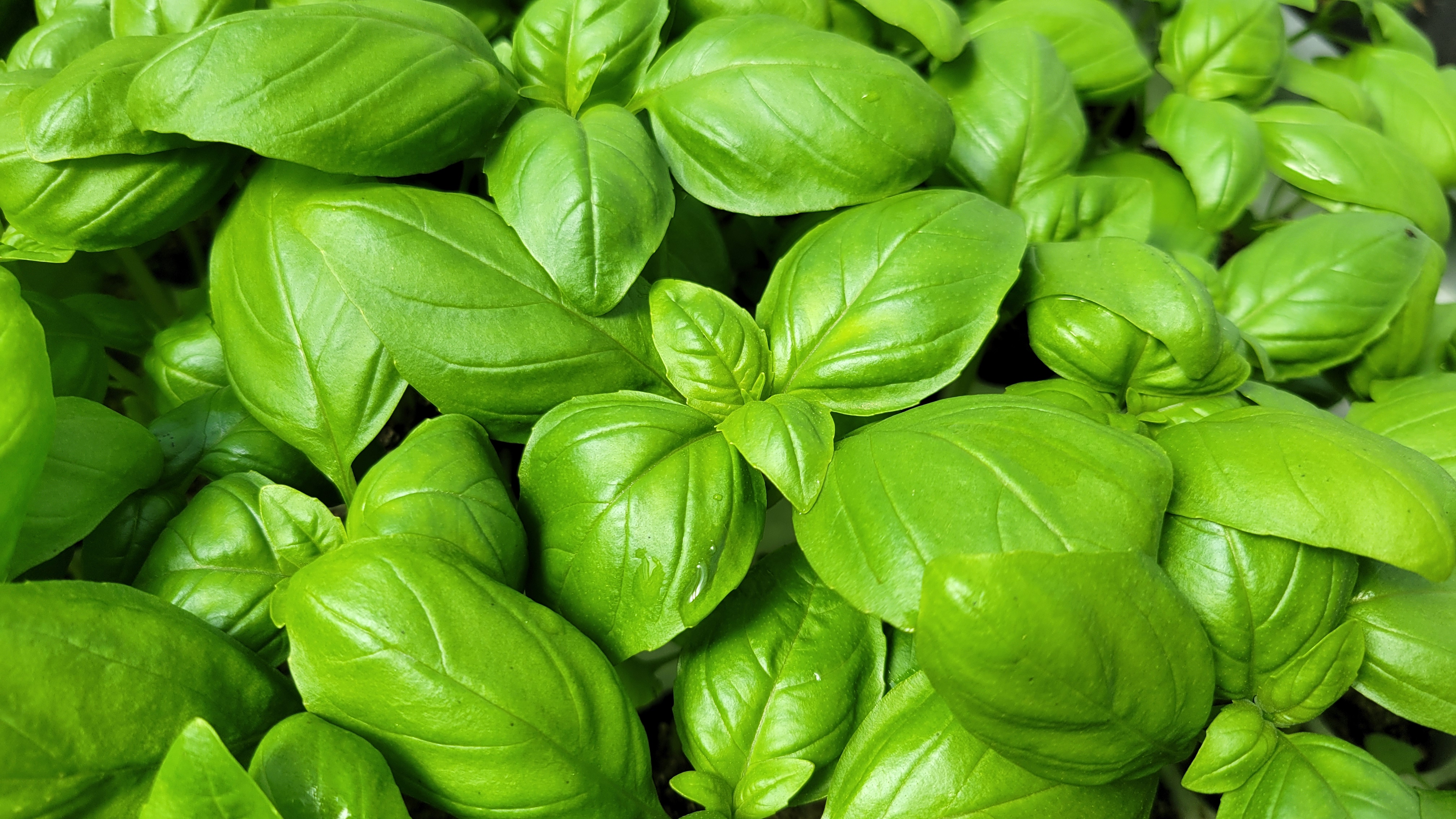
Basil and strawberries have also been included in trial planting activities, allowing different crop requirements to be assessed within the project.
These activities provide practical feedback for equipment adjustment, cultivation management and further operational optimization.
The transition from construction to agricultural production is a critical stage of project delivery. It requires not only functioning infrastructure, but also coordinated cultivation processes, trained personnel and reliable operational systems.
PROJECT VALUE
The project demonstrates the ability to coordinate land development, civil engineering, greenhouse construction and agricultural infrastructure within a single project framework.
The integration of cooling, shading, water treatment and cultivation technologies illustrates an engineering approach tailored to the demands of Saudi Arabia's desert environment.
Leafy-green hydroponics and substrate-based cultivation for fruiting crops demonstrate the flexibility to configure different agricultural production systems within a shared infrastructure.
The combination of environmental sensing, connected equipment and digital visualization creates a foundation for more intelligent, coordinated and data-driven agricultural operations.
From extensive land preparation to agricultural system integration and trial cultivation, the project reflects the multidisciplinary coordination required to develop modern agricultural facilities in challenging locations.
Engineering the Environment. Integrating the Technology. Enabling Agriculture.
The Muzahmiyah project illustrates iHavos' approach to modern controlled-environment agriculture: bringing together engineering execution, agricultural technologies and digital capabilities to develop production systems adapted to the realities of each site.
The completed 21,120 m² greenhouse facilities form part of a larger 400,000 m² planned agricultural development. The project provides a foundation for phased expansion, allowing future agricultural production facilities and supporting infrastructure to be developed in response to operational requirements and investment priorities.
Planning a greenhouse project in a hot, arid climate?
Tell us about your site, crops, water supply and power availability. We can help you plan a phased development that brings together greenhouse engineering, water treatment, cultivation and digital farm management.
