A One-Million-Square-Meter Integrated Smart Agriculture Development
PROJECT INTRODUCTION
Combining automated greenhouse production, open-field cultivation, phased investment and agritourism in Saudi Arabia.
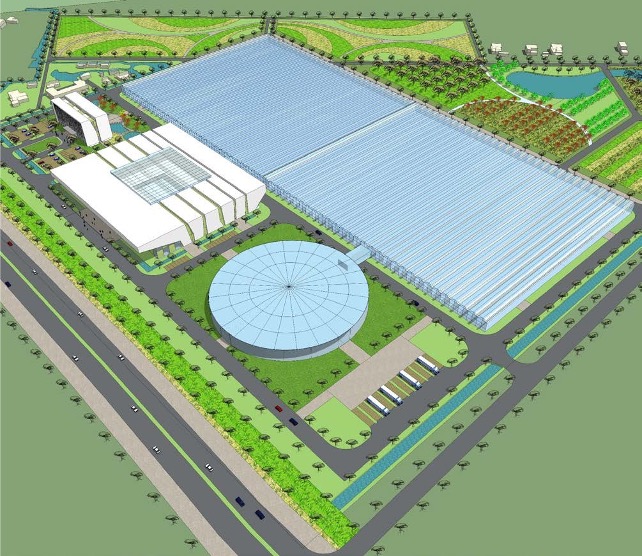
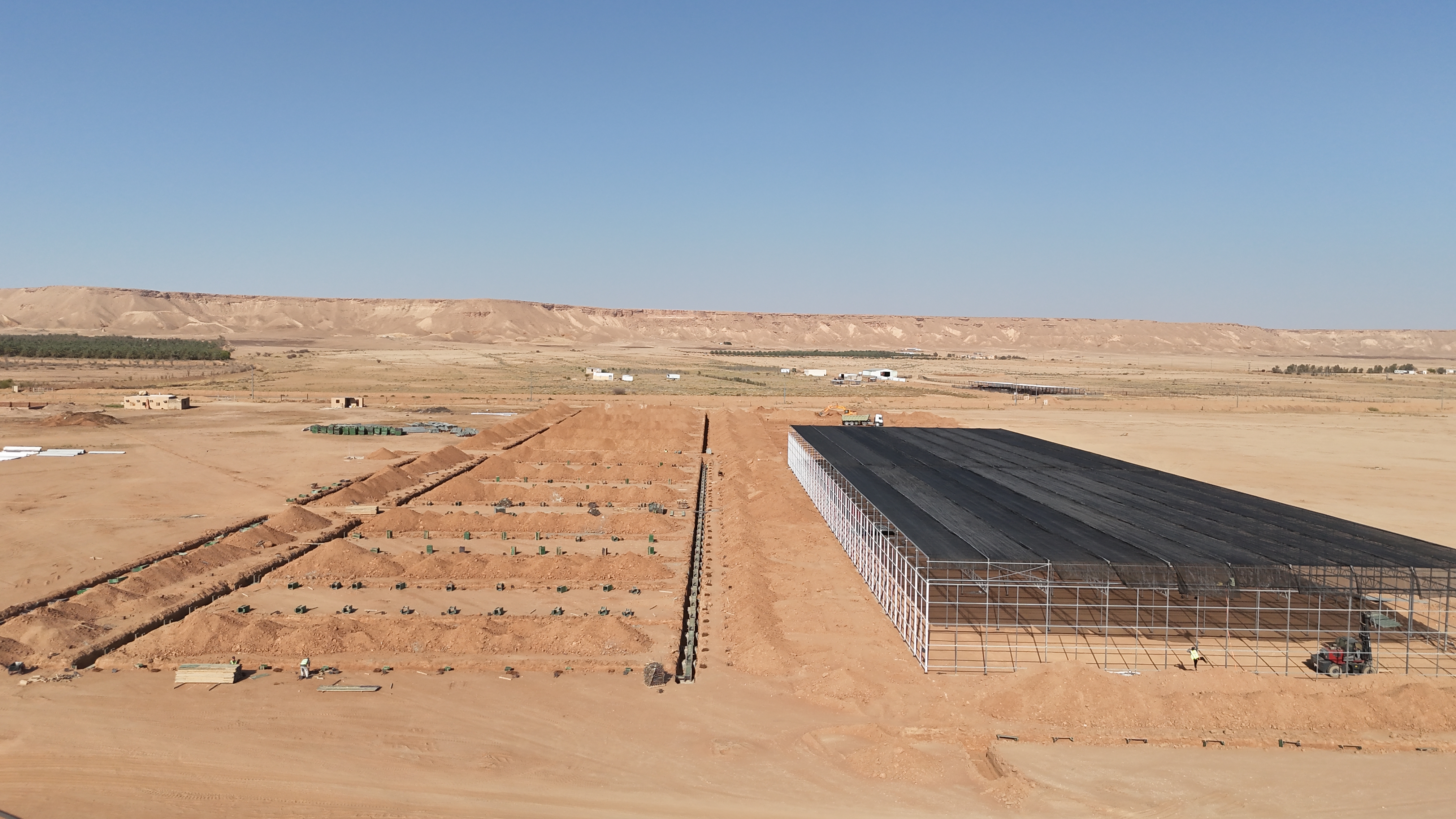
Located in Al Qassim, Saudi Arabia, the Qassim Farm Project is a large-scale integrated agricultural development with a planned total area of 1,000,000 m² (100 hectares).
The project is designed as a multi-functional agricultural destination combining highly automated greenhouse production, open-field cultivation, agricultural technology applications and farm-based leisure experiences.
Rather than developing the entire site at once, the project follows a phased development and operational model. Each completed phase is intended to enter commercial operation while subsequent phases continue construction and expansion. Revenue generated from operational facilities, together with external investment, is planned to support further development until the full master plan is realized.
Through this approach, the project seeks to establish a financially sustainable, technologically advanced and progressively expanding agricultural ecosystem adapted to Saudi Arabia's climate, resource conditions and market opportunities.
| Project | Qassim Farm Project |
|---|---|
| Location | Al Qassim, Saudi Arabia |
| Planned total area | 1,000,000 m² (100 hectares) |
| Development model | Phased construction, progressive operations and revenue reinvestment |
MASTER PLAN
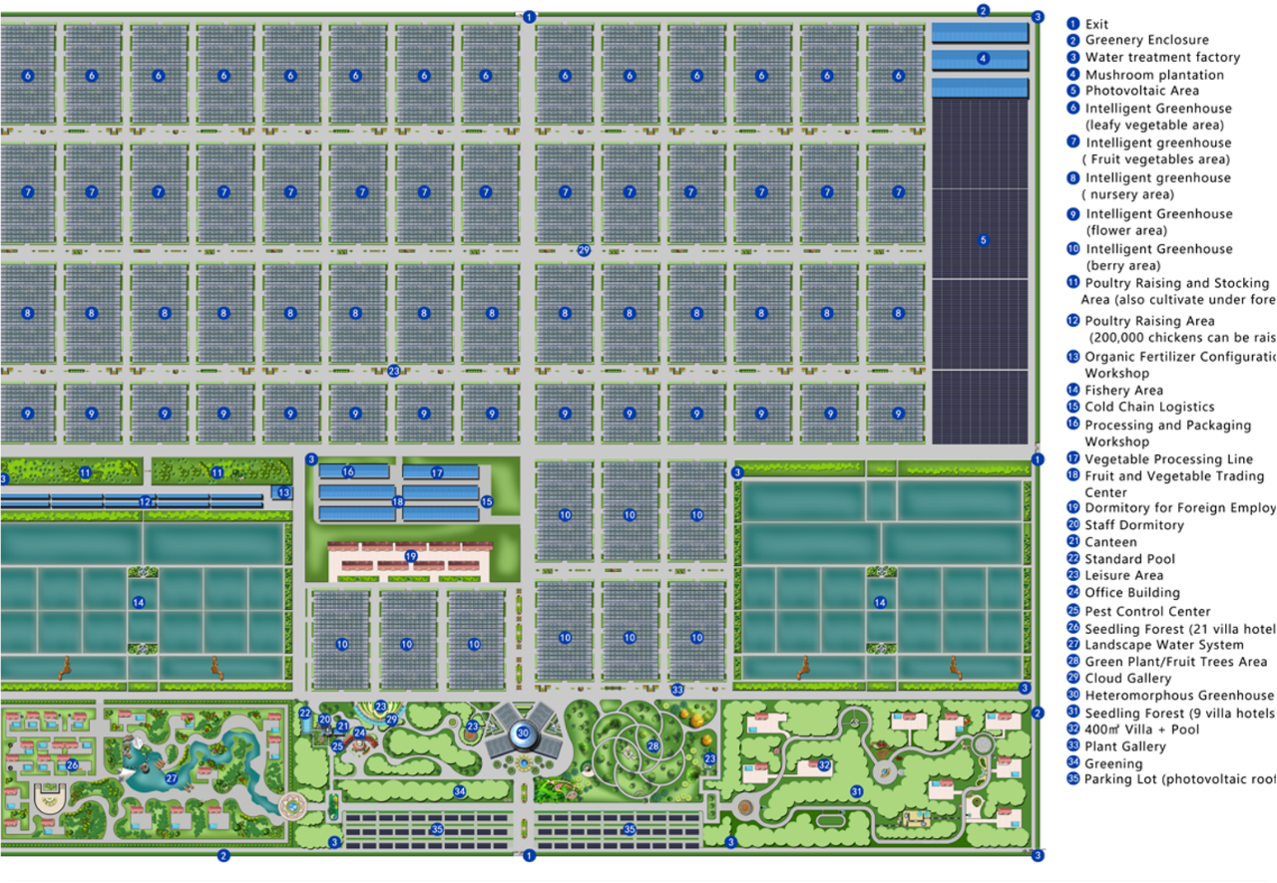
The master plan integrates several complementary development components within a unified agricultural estate.
Highly automated controlled-environment agriculture facilities form the core commercial production component.
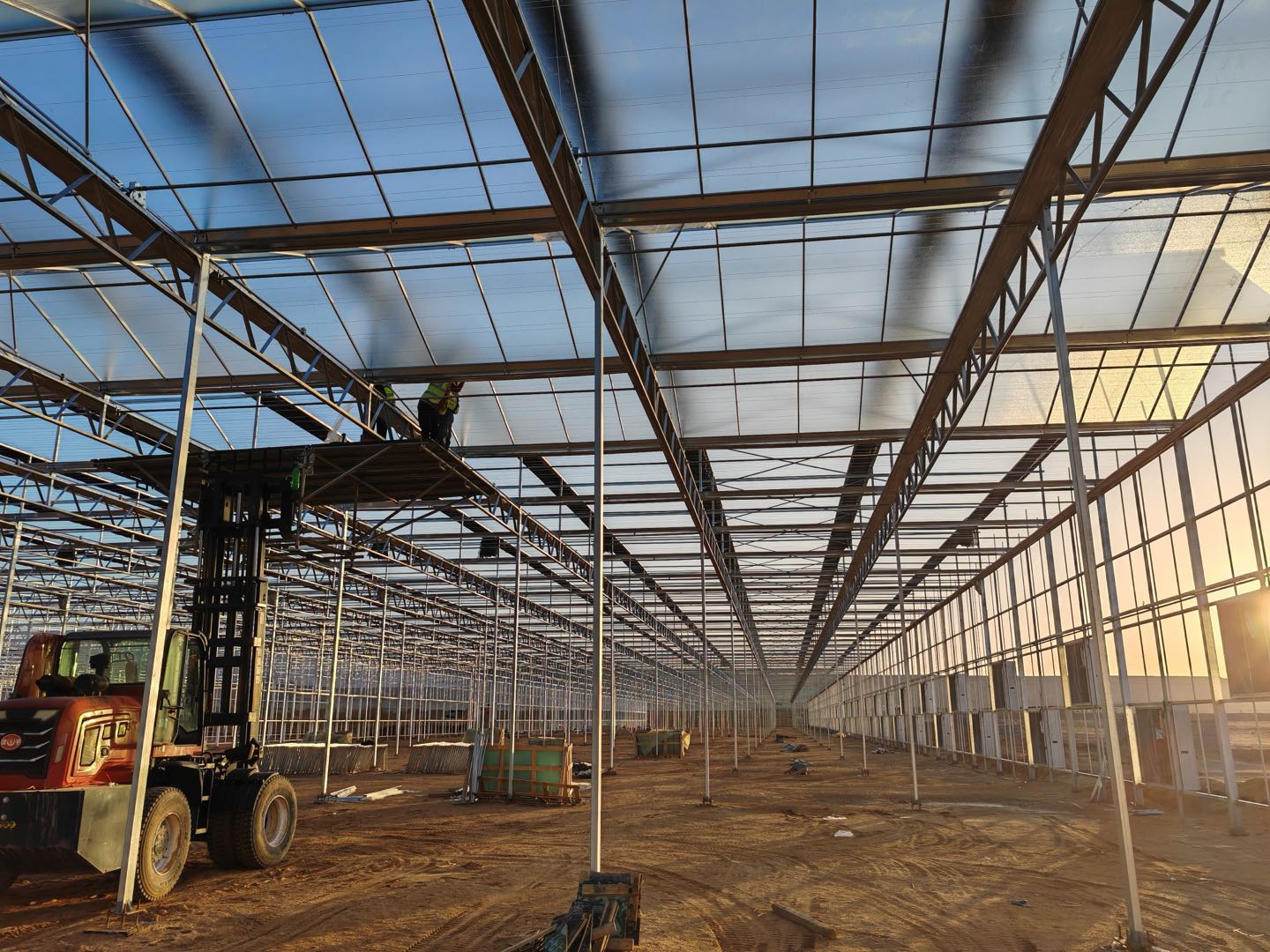
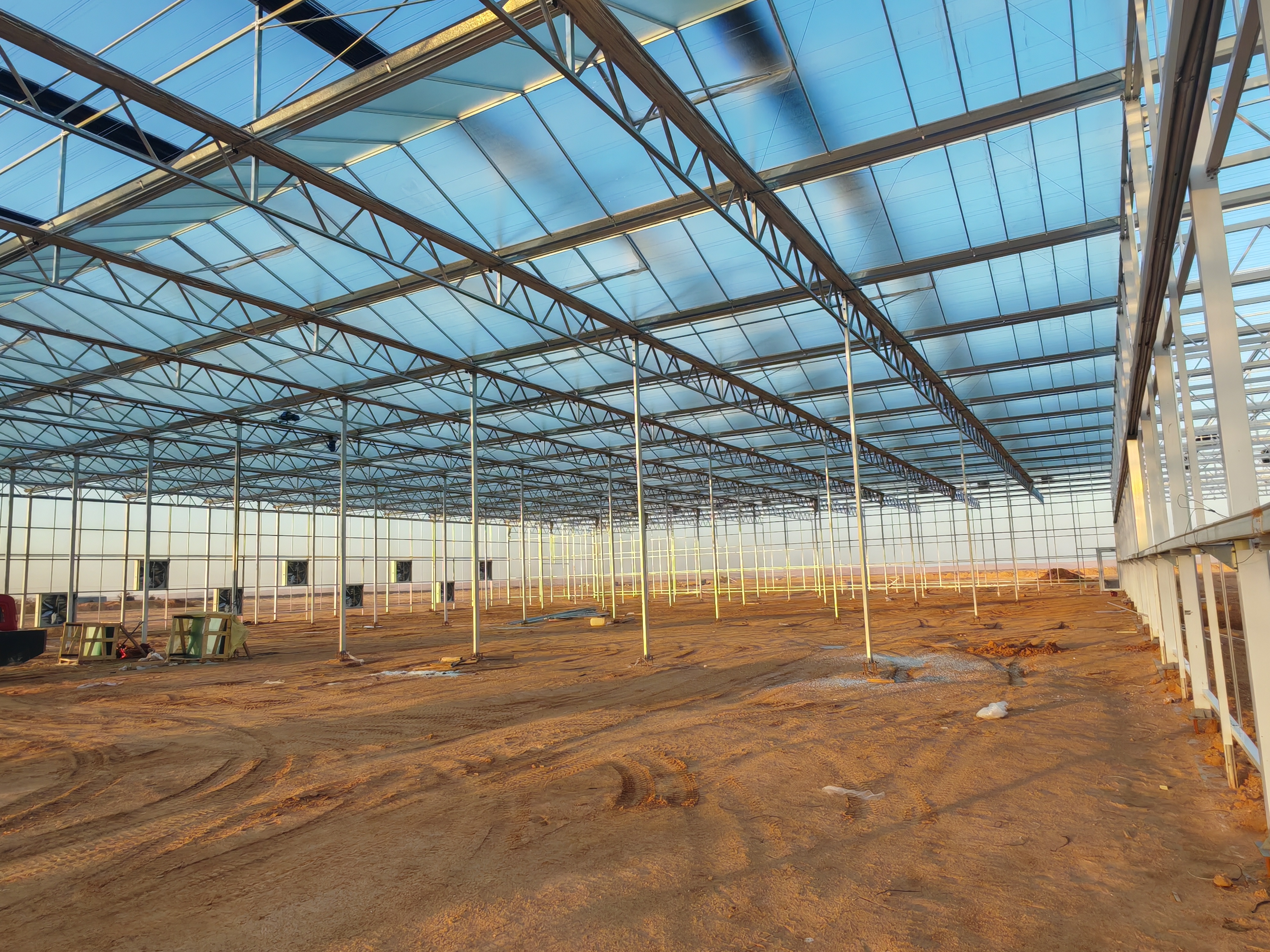
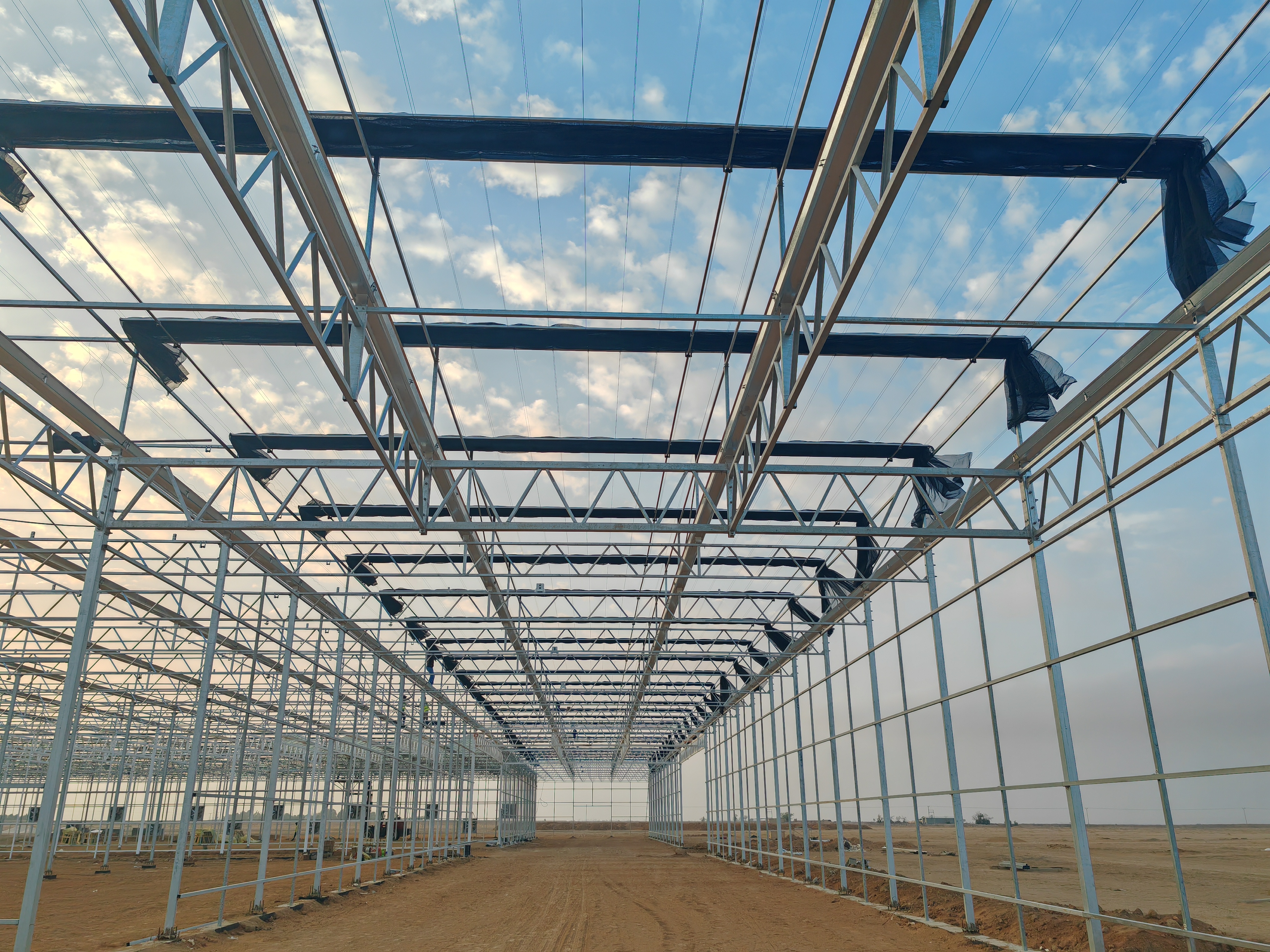
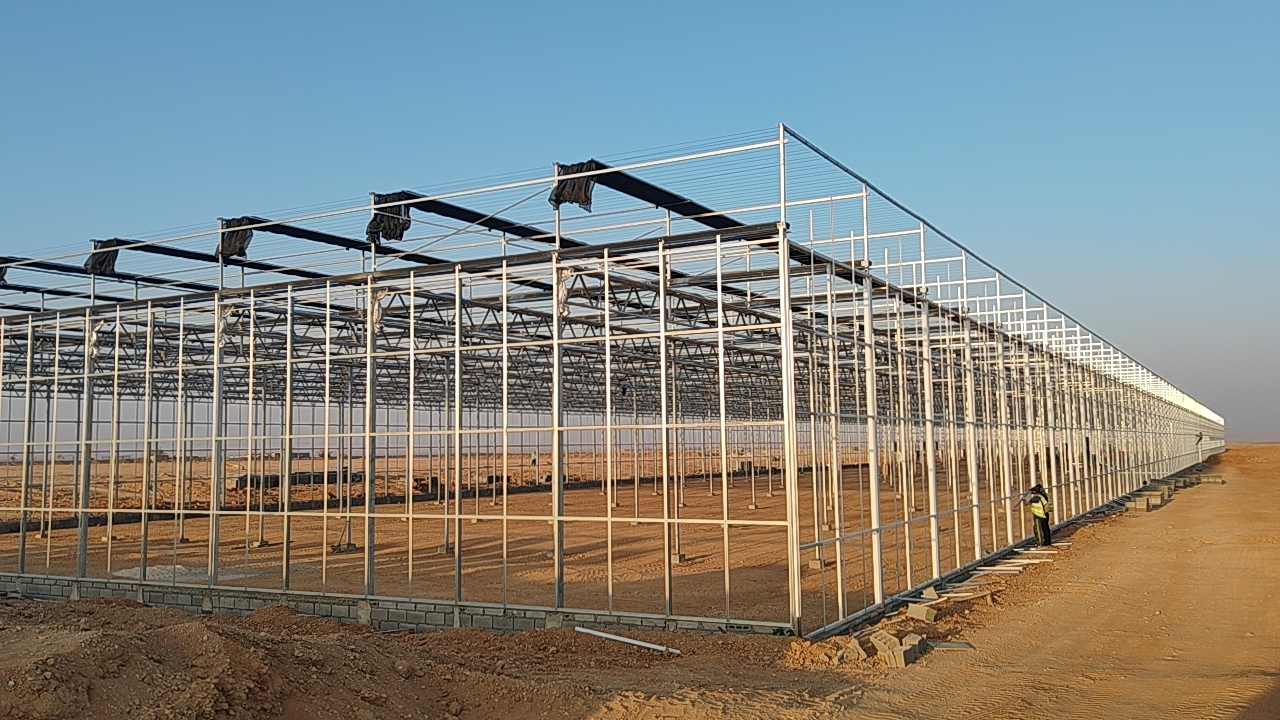
The greenhouses are designed to integrate automated leafy-green cultivation, climate control, precision fertigation, agricultural machinery and digital farm management.
Greenhouse development will be implemented in phases, allowing production capacity to expand progressively in response to operational performance, market demand and available investment.
Designated open-field areas will support the cultivation and propagation of grasses, ornamental plants, shrubs, trees, fruit trees and other suitable crops.
These areas will incorporate crop-specific irrigation, soil and water management, nursery operations and cultivation practices adapted to local environmental conditions.
In addition to agricultural production, open-field planting will contribute to landscape development, green-space creation and the overall ecological character of the farm.
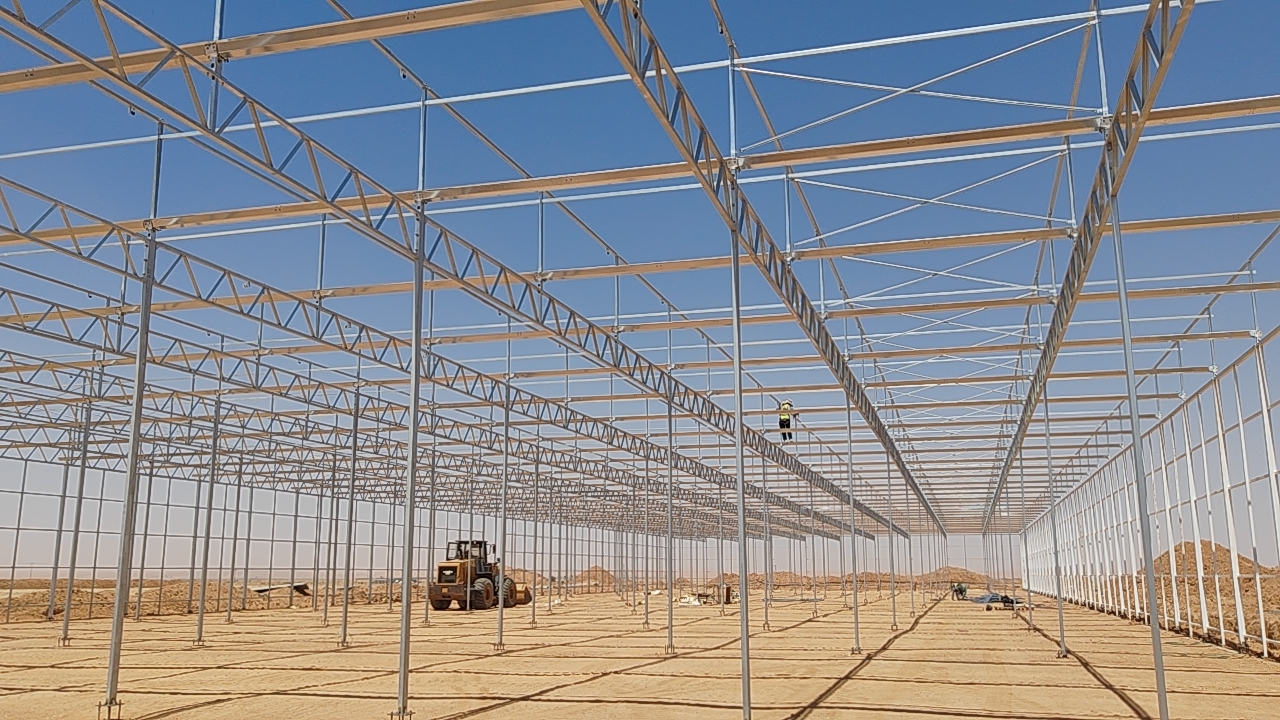
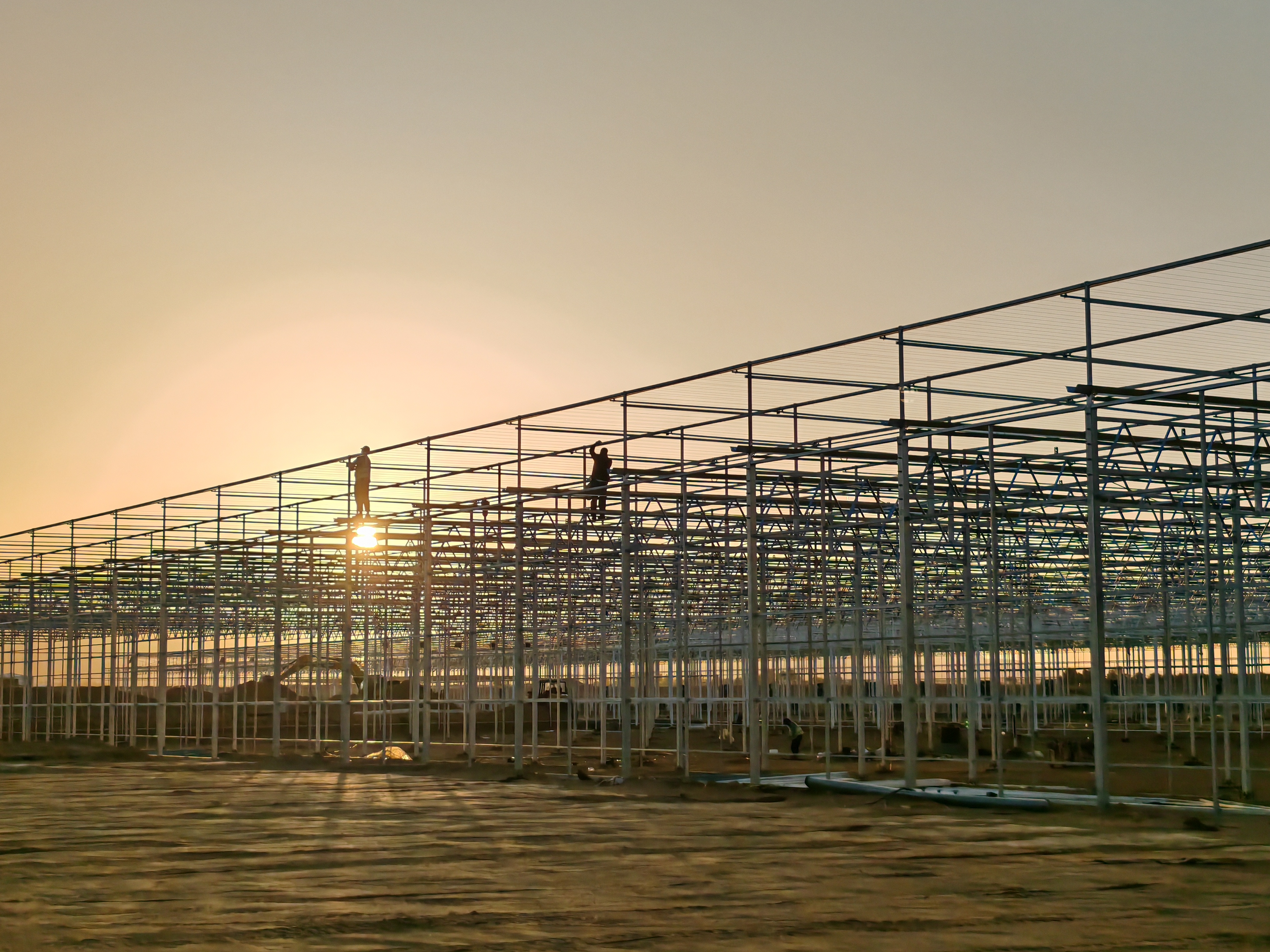
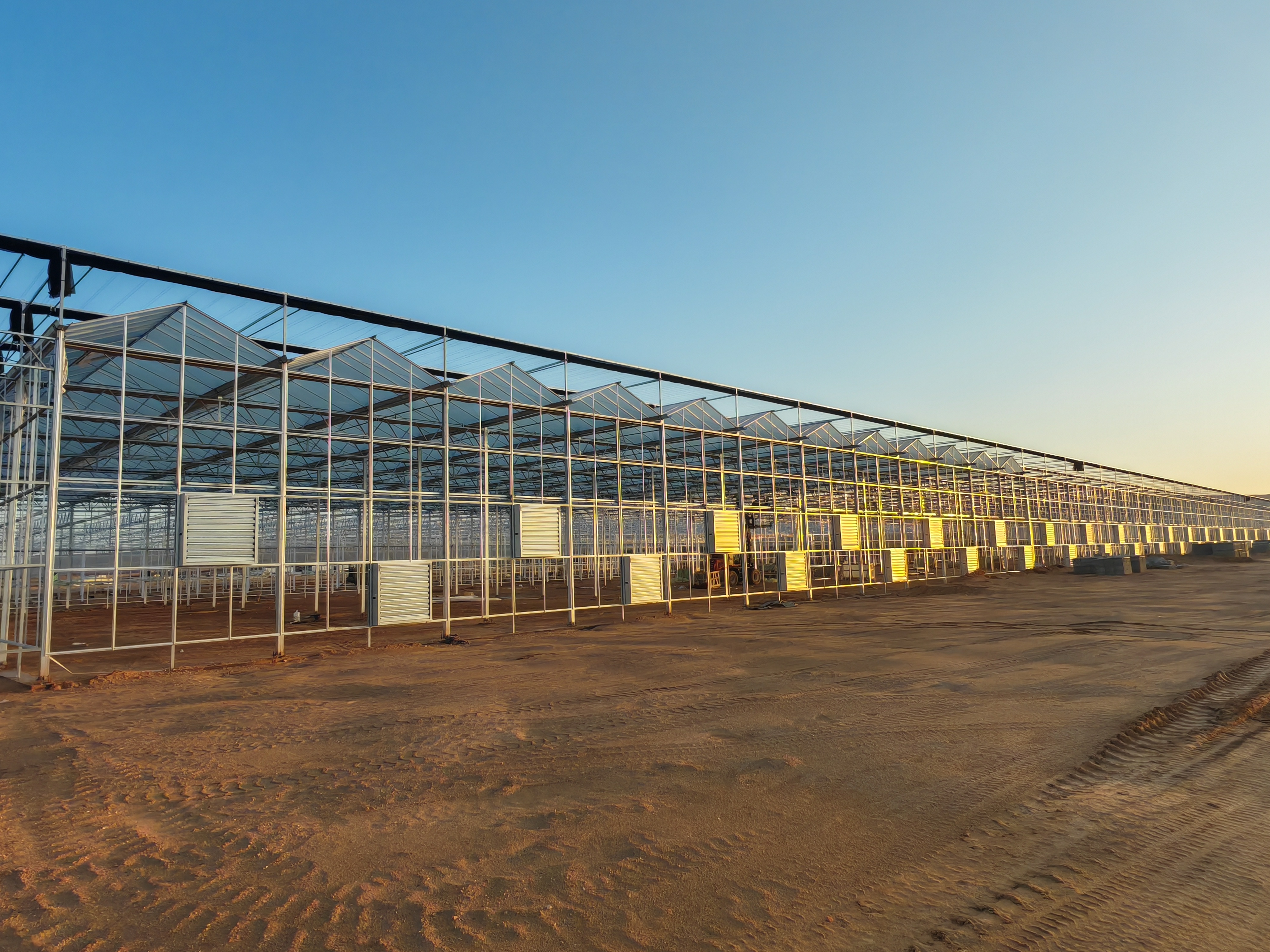
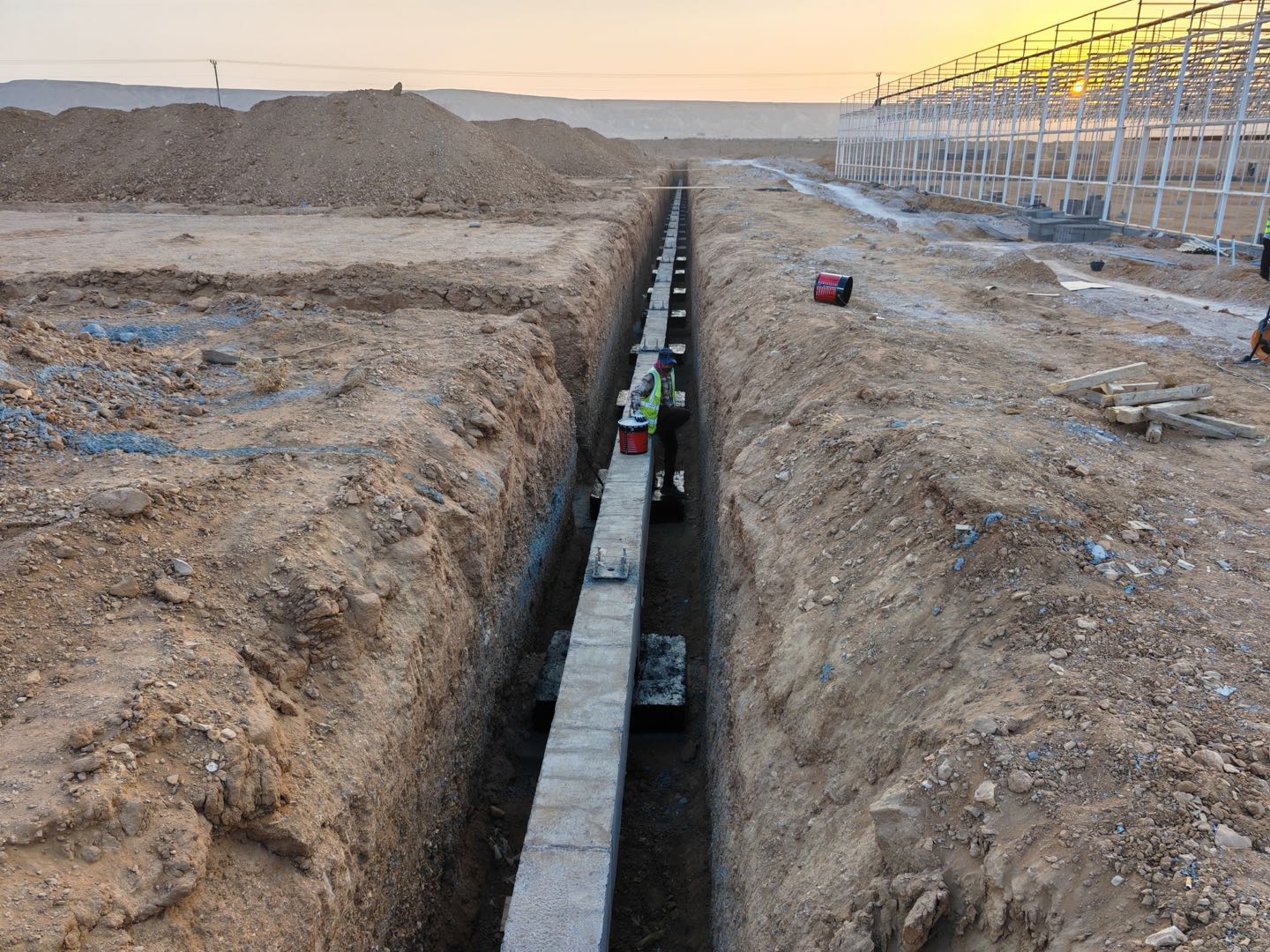
The master plan will provide for supporting infrastructure, including water treatment and storage, irrigation networks, energy systems, internal roads, agricultural logistics, storage and operational facilities.
Infrastructure development will be coordinated with the phased expansion strategy, balancing immediate operational requirements with long-term capacity and scalability.
The project also envisions a farm-based leisure and recreational destination, integrating agricultural landscapes with visitor-oriented experiences.
Potential facilities and activities include farm tours, agricultural education, fruit-picking experiences, family recreation, farm-to-table dining and landscaped outdoor leisure areas.
These activities are intended to diversify the farm's commercial functions while creating opportunities for visitors to engage with modern agriculture and the natural environment.
DEVELOPMENT & INVESTMENT MODEL
The Qassim Farm Project adopts a phased development model designed to align capital investment with the gradual establishment of commercial operations.
The overall master plan will be divided into successive development phases. Each phase will include the agricultural facilities, infrastructure and operational capabilities required for its intended commercial activities.
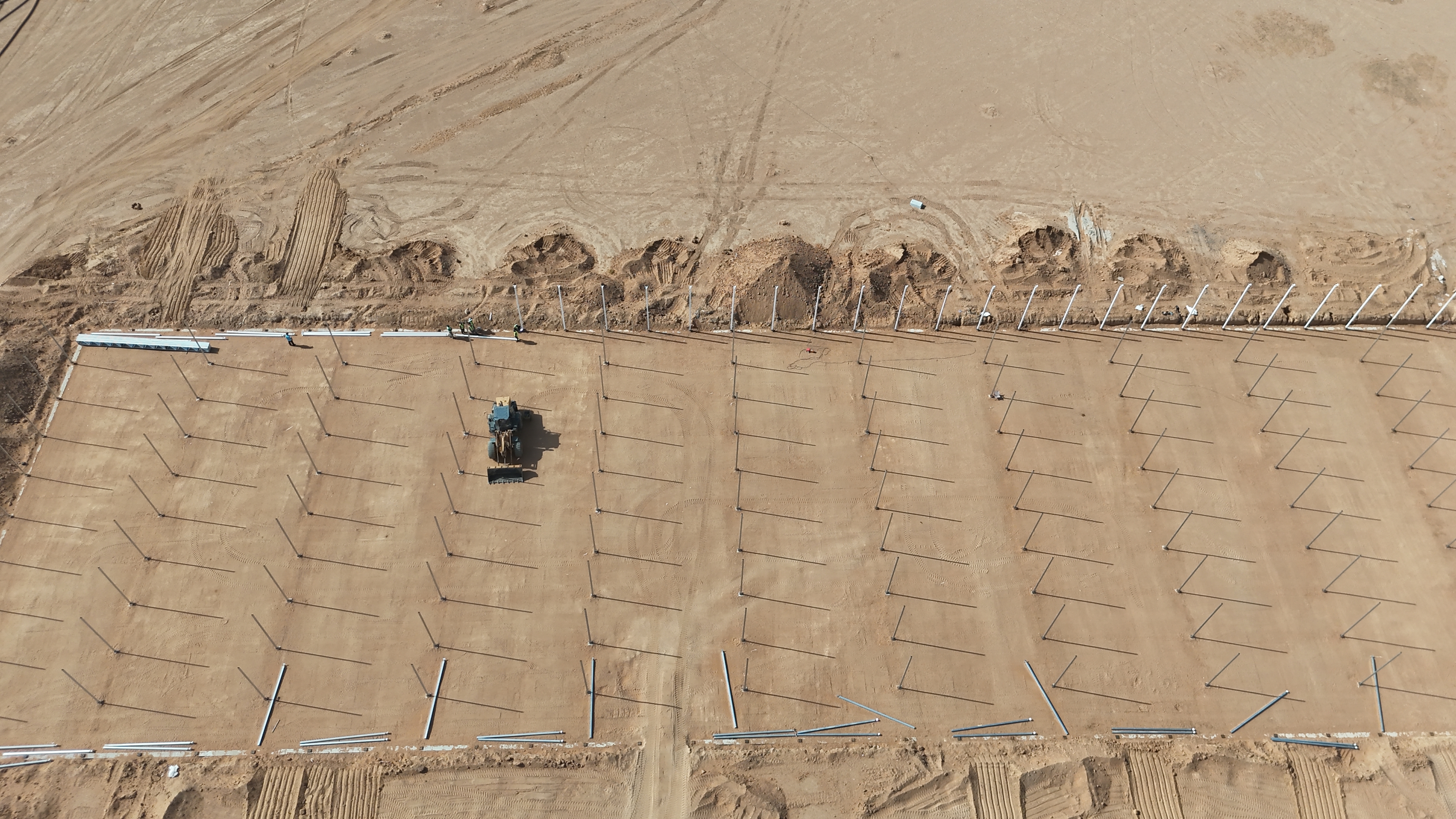
Once a phase has been completed, commissioned and prepared for production, it is intended to enter commercial operation while development proceeds on subsequent phases.
This overlapping construction-and-operation model allows the project to establish productive capacity before completion of the entire master plan.
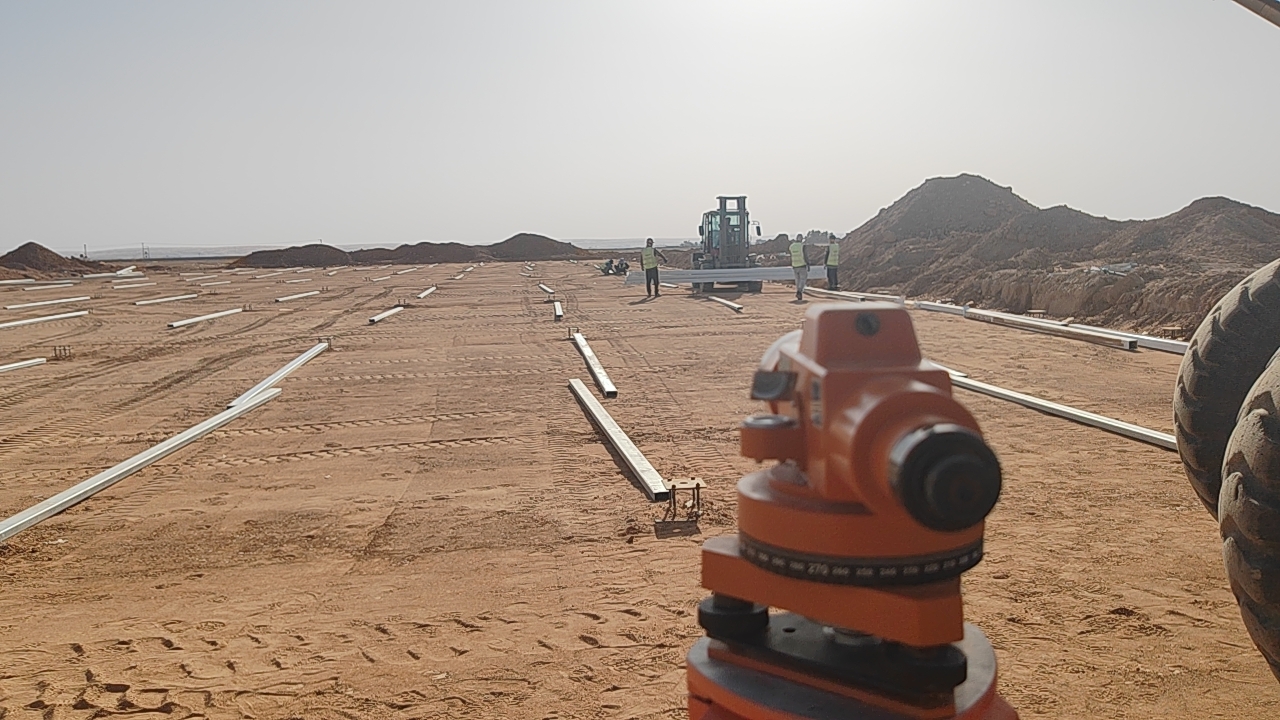
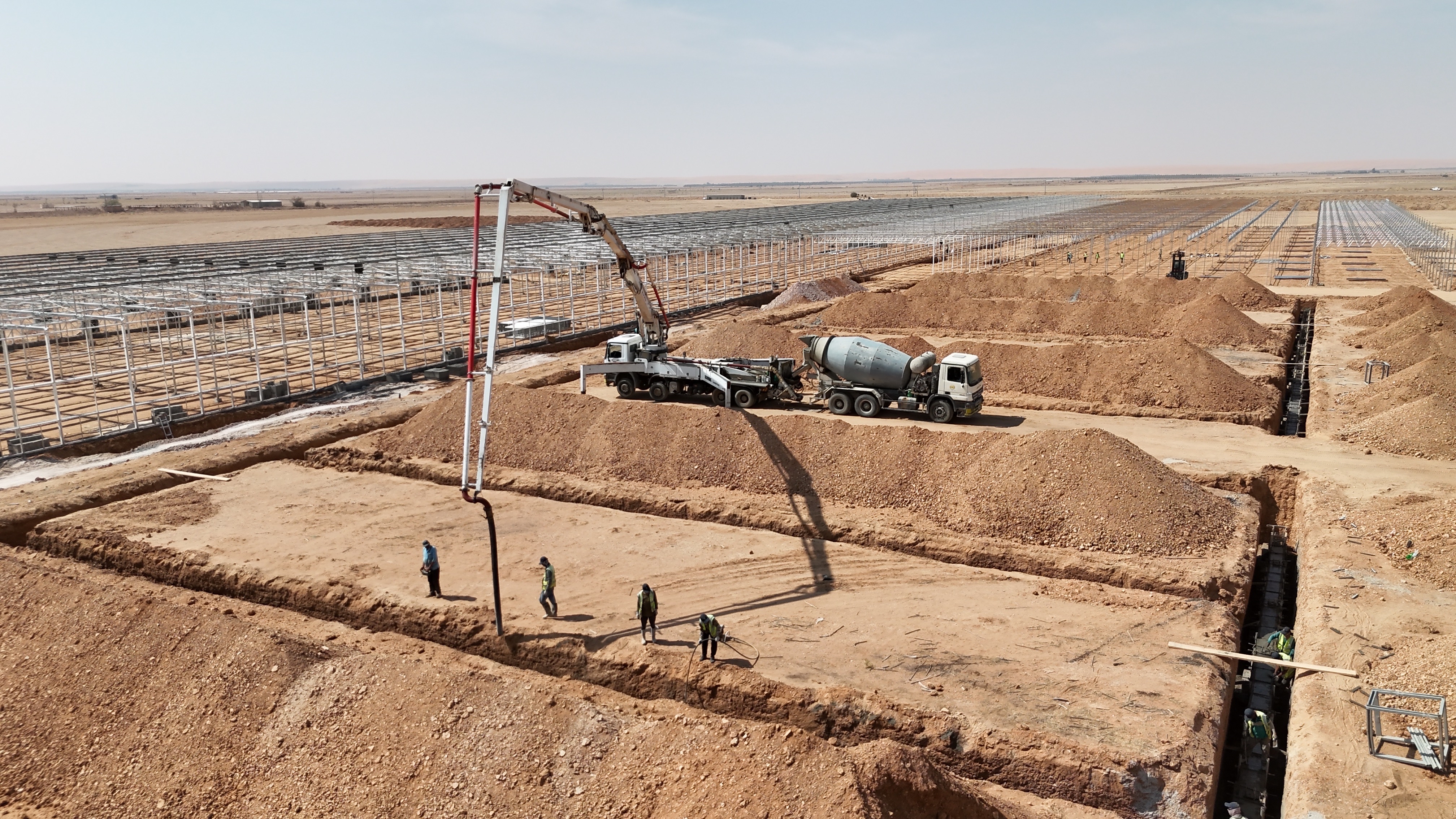
A central feature of the development strategy is the planned reinvestment of operating cash flow generated by completed phases.
Subject to operating costs, working-capital requirements and available cash flow, a portion of the earnings generated by operational agricultural facilities may be allocated to financing subsequent development phases.
Future expansion is expected to be supported by a combination of external capital investment and internally generated operating cash flow.
This blended financing approach is intended to reduce exclusive dependence on continuous external funding and progressively strengthen the project's capacity to support its own development.
Through successive construction, operation and reinvestment cycles, the project aims to complete the development of its planned 1,000,000 m² agricultural estate.
The pace and sequence of expansion will be guided by operational performance, market demand, infrastructure readiness and capital availability.
TECHNOLOGY & OPERATIONS
The project brings together multiple agricultural production environments under a coordinated technology and management framework.
Smart greenhouses incorporate automated cultivation systems, climate-adaptive environmental control, precision fertigation and digital monitoring to support stable, resource-efficient production.
Outdoor cultivation areas will use appropriate irrigation systems, plant propagation methods and crop-specific management practices to support ornamental plants, landscape vegetation, grasses and fruit trees.
Water treatment, storage, distribution and irrigation systems will be planned around the different requirements of greenhouse production, outdoor cultivation and landscaped areas.
The objective is to allocate water according to its intended use, improve resource efficiency and support long-term agricultural development in an arid environment.
Digital management technologies are intended to provide centralized visibility across greenhouse production, irrigation, environmental conditions, equipment and operational activities.
As the farm expands, the digital architecture can support coordinated management of multiple production zones, infrastructure systems and agricultural operations.
Operational data from completed phases will inform subsequent investment decisions, equipment improvements, production planning and future development.
This creates a feedback mechanism in which practical farming experience contributes directly to the optimization of later phases.
AGRITOURISM & COMMUNITY ENGAGEMENT
Beyond commercial agricultural production, the Qassim Farm Project aims to create a destination where agriculture, nature and leisure can coexist.
Inspired by the concept of farm-based recreation, the development will explore opportunities to integrate productive agricultural landscapes with visitor experiences, educational activities and family-oriented leisure facilities.
Greenhouses, outdoor planting areas, nurseries, orchards and landscaped spaces can provide the setting for agricultural tours, seasonal activities, hands-on learning and farm-to-table experiences.
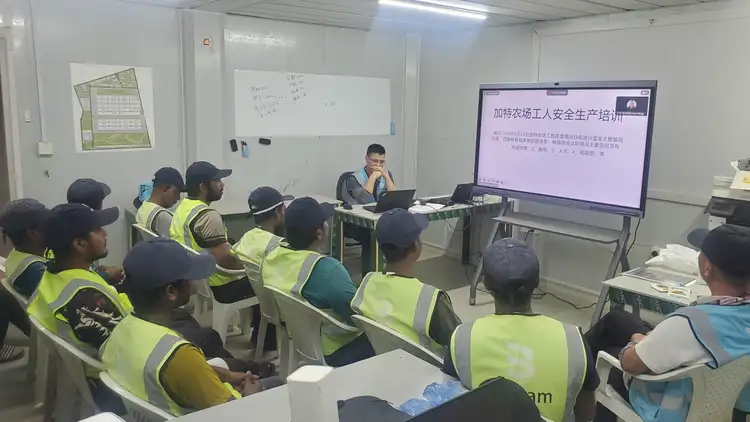
By combining agricultural production with recreational and educational functions, the project seeks to create additional commercial opportunities while strengthening public engagement with modern agriculture.
The agritourism component will be developed in alignment with the overall master plan, market demand, operational requirements and applicable local regulations.
LONG-TERM VISION
The Qassim Farm Project is designed to evolve from an initial phase of automated agricultural production into a diversified, one-million-square-meter agricultural development.
Its long-term value lies in the combination of three interconnected capabilities:
By connecting engineering, agricultural technology, commercial operations and long-term development planning, iHavos and Baream aim to contribute to a scalable model for modern agriculture in Saudi Arabia and other arid regions.
Beyond Building Greenhouses. Developing Sustainable Agricultural Ecosystems.
Planning a farm that will grow in phases?
Tell us about your land, water supply and production goals. Our team can help you plan how greenhouse production, open-field cultivation and shared infrastructure fit together as your farm expands.
